
A Fan's View: Alcaraz, Sinner, and the French Open Tax Bite
As a club-level tennis player who has spent more time fishing balls out of the net than polishing trophies, I still could not look away from the 2025 French Open final. Carlos Alcaraz and Jannik Sinner gave us one of those matches that makes a casual fan forget about dinner, sleep, and the next day's work. Five and a half hours? Yes, really. Three championship points for Sinner? Yes, and every one of them felt like a tiny heartbreak for the Italian and a tiny reprieve for the Spaniard. From two sets down, Alcaraz won his second consecutive French Open title and his fifth Grand Slam. It was the kind of final that reminds me why I keep playing this sport badly and watching it obsessively. 🎾
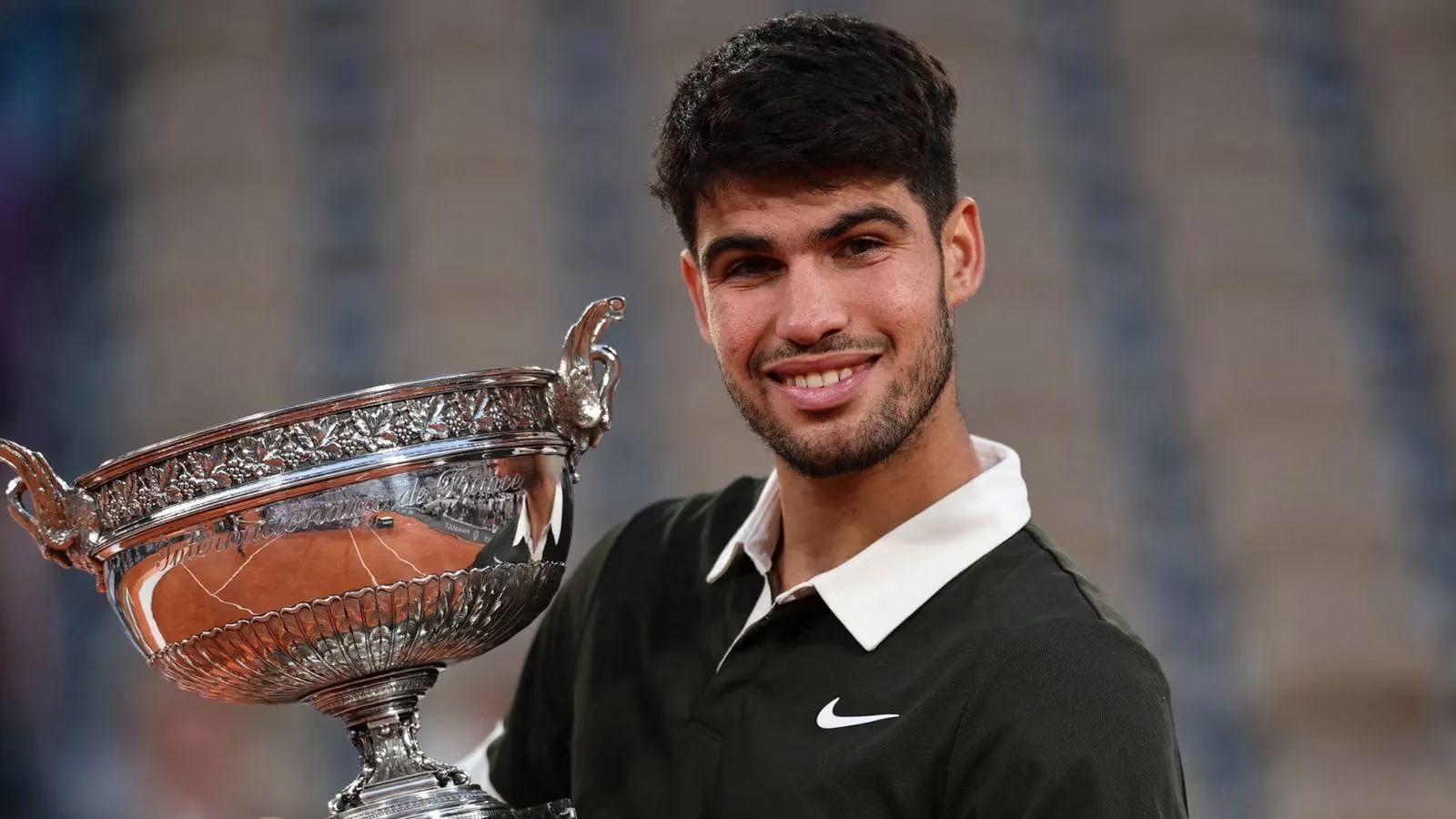
But here is the question that stuck with me after the confetti settled: what does a Grand Slam title actually pay? On paper, Alcaraz earned €2.55 million, about £2.13 million. That is a number so large that my own tennis club's annual budget feels like loose change. Yet French taxation laws mean he is likely to lose roughly 30% of that prize money. We are talking about around £639,000 gone, leaving a true take-home figure near £1.491 million. Sinner, the runner-up, earned €1.28 million, about £1.07 million, and he faces a similar reduction. Suddenly the trophy ceremony feels a little more complicated, doesn't it? 💸
I used to assume tennis players simply pocketed prize money and paid whatever income tax applied back home. That is not quite how it works. According to explanations of the system, the tax a tennis player pays on prize money depends on where the money was earned, made, or received. After players pay taxes to the local government where the prize money was earned, they do not have to pay income tax on it again when they return home. In other words, the French Open pays out in France, and France takes its slice before the money travels anywhere else. Is that unfair? Maybe not. Is it a useful reminder that gross prize money and net prize money are very different things? Absolutely.
| Player | Result | Gross prize money | Estimated tax hit | Approx. take-home |
|---|---|---|---|---|
| Carlos Alcaraz | Champion | €2.55m (£2.13m) | ~30% / ~£639k | ~£1.491m |
| Jannik Sinner | Runner-up | €1.28m (£1.07m) | Similar reduction | Reduced accordingly |
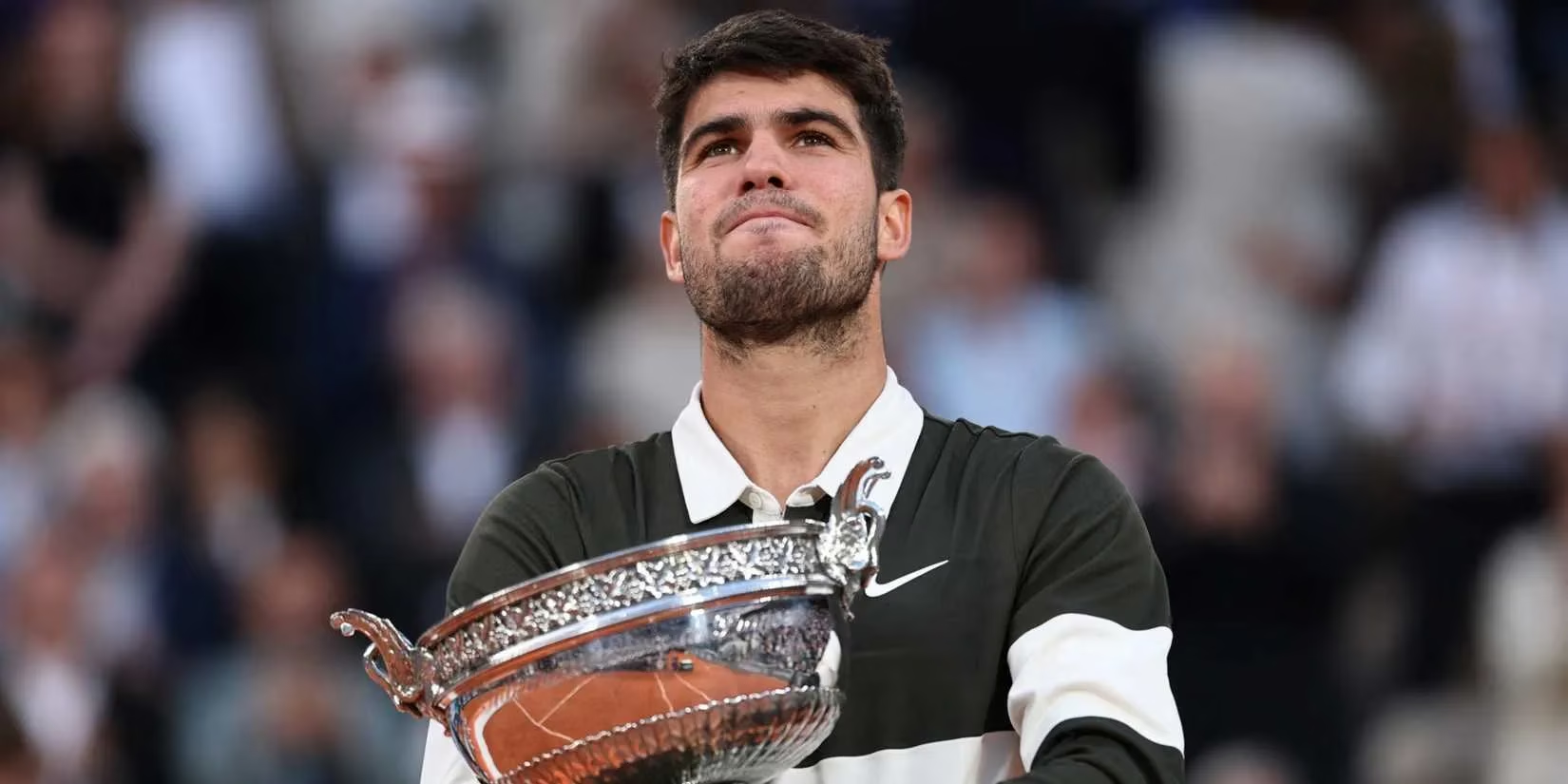
From a fan's perspective, the tax story is fascinating because it humanises a player who often seems superhuman. Alcaraz is not struggling for money. He is estimated to have earned £30 million in career prize money already, with £2.8 million of that coming in the 2025 season alone. But I liked hearing how he spends some of it. He told Tennis Channel that after big wins, especially at Grand Slams, he might buy himself a new pair of sneakers if he reaches the semi-finals. If he feels he has had a good season, he buys himself a nice watch at the end of the year. That is such a normal, relatable way to celebrate. I once bought a new grip after winning a local club match, and I felt like a sponsor should have been involved. Who says Grand Slam champions are impossible to understand? 😄
Still, the money talk does not disappear. As I look ahead to the 2026 grass-court season, the same questions will follow every deep run at Wimbledon: how much is the cheque, where is it earned, and what does the player actually keep? Alcaraz will be defending a Wimbledon title and trying to add to his earnings, but the net figure will always be smaller than the headline number. That does not make the achievement less impressive. If anything, it makes the business side of tennis more interesting. We cheer for the shots, the saves, and the celebrations, but behind every trophy is a spreadsheet with tax brackets.
So what did I take from the 2025 French Open final? I took a reminder that greatness can survive three championship points against it, that a five-and-a-half-hour match can feel like five minutes, and that a €2.55 million prize can shrink by roughly 30% before it reaches the champion's account. As a normal player, I will never face French tax law over a Grand Slam cheque. But I will keep asking the same question every time a champion lifts a trophy: what is the real score, on the court and off it?
Loading comments...