
A US Open Gesture Gone Wrong: The Hat Snatch That Sparked a Global Conversation on Fan Etiquette
Tennis has long been celebrated as a sport where respect and etiquette are held in as high regard as athletic prowess. The quiet reverence of a crowd during a rally, the gracious applause for an opponent's winner—these are not mere traditions but foundational expectations. However, a single moment following Kamil Majchrzak's epic five-set victory over ninth seed Karen Khachanov at the 2025 US Open violently upended that genteel image, igniting a firestorm of anger across the global tennis community. The incident, captured and dissected across social media, transcended the match itself, becoming a powerful lesson in sportsmanship, online accountability, and the simple act of doing the right thing.
The Incident: A Snatched Moment of Joy
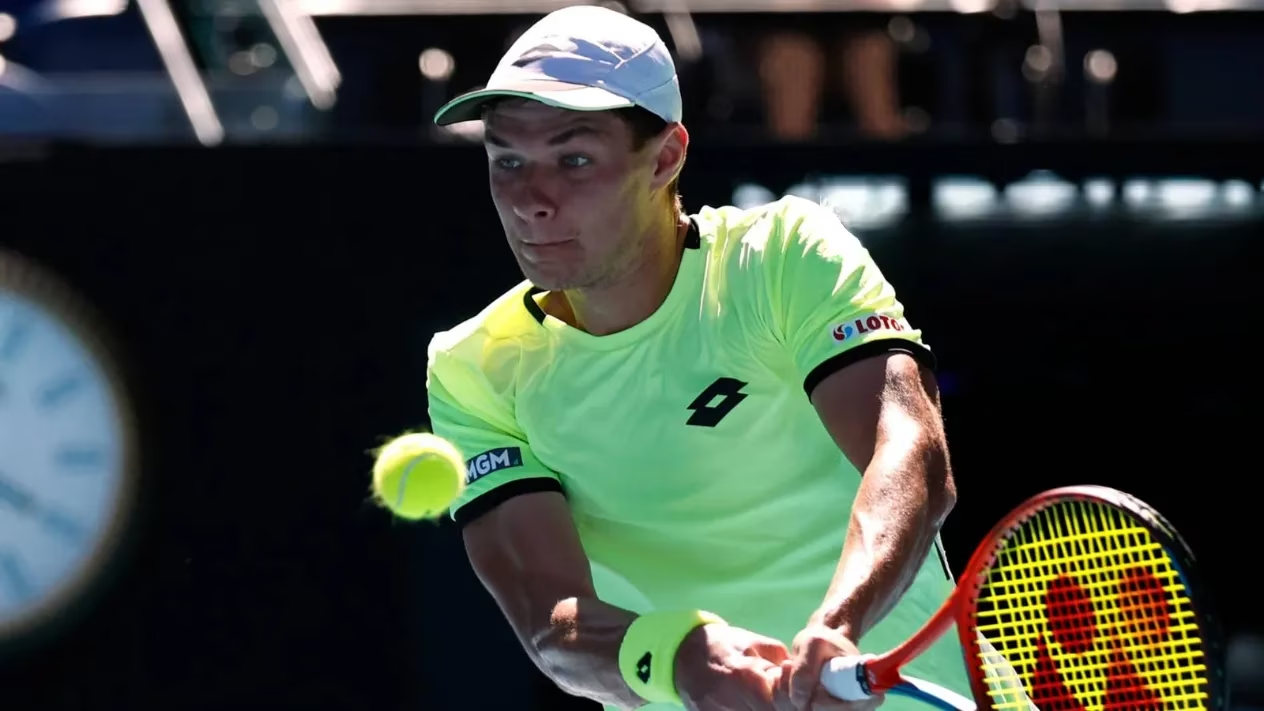
Following a grueling second-round battle on Court 11, the Polish player, ranked world number 76, embarked on a classic post-victory ritual: thanking the fans. Engaging with supporters, he signed memorabilia and, in a particularly generous gesture, offered his sweat-soaked, match-worn hat to a young boy in the crowd. Just as the child's hand reached out in hopeful anticipation, an adult man lunged forward, snatching the cap directly from Majchrzak's grasp. The video shows the man walking away, utterly ignoring the boy's visible dismay and pleas. The child was left empty-handed, a moment of potential lifelong memory cruelly stolen. This clip didn't just circulate; it went supernova, dominating tournament conversation online and transforming a minor post-match interaction into a major international story.
The Rally: From Outrage to Resolution
The tennis world's reaction was swift and unified. Fans flooded social media with outrage, condemning the man's selfish act while simultaneously praising Majchrzak for his initial kindness. But the player didn't just accept the online sympathy. He took decisive action. Turning to his Instagram platform, Majchrzak launched a personal mission to track down the young fan. The power of the connected tennis community was on full display. Within mere hours, the crowd-sourced investigation succeeded. Majchrzak soon updated his followers, sharing the original video on his story with a triumphant note: "I am impressed by the power of the internet. We got it! All good now." He had identified the boy and ensured a new hat—and presumably, a restored sense of magic—was delivered to him. This proactive resolution shifted the narrative from one of pure negativity to a story of community and redress.
The Aftermath: Identity, Backlash, and Broader Lessons
With the young fan taken care of, the internet's attention, with its formidable sleuthing power, turned squarely toward the hat-snatcher. Online investigators quickly identified him as Piotr Szczerek, the owner and chief executive of Drogbruk, a private paving stone company based in Poland. This revelation poured fuel on the fire of public criticism. The debate intensified: many argued that someone in a position of corporate leadership and, presumably, social standing, should have demonstrated far better judgment and basic decency. The incident sparked a wider conversation that extended beyond this single act:
-
Fan Etiquette at Live Events: It forced a examination of behavior in the passionate, sometimes overly zealous, environment of sports stadiums. Where is the line between fandom and entitlement?
-
The Speed of Reputational Damage: It became a case study in how a single, unguarded moment in the smartphone era can trigger a global reputational crisis almost instantaneously. Szczerek's social media accounts were quickly flooded with negative comments, leading him to disable public interactions.
-
Protecting the Experience for Young Fans: At its heart, the story highlighted the sacred covenant in sports between players and the next generation of fans. These interactions—a ball, a signature, a hat—can create indelible, positive memories. The incident served as a stark reminder of the collective responsibility to protect those opportunities for children.
A Lasting Legacy
While Kamil Majchrzak's spirited on-court victory against a top-10 seed was a career highlight for Polish tennis, his off-court persistence in righting a wrong arguably earned him even greater admiration. He demonstrated that sportsmanship doesn't end at the final point. In 2026, the story remains a potent reference point in discussions about fan conduct. It underscores that while crowds are celebrated for their passion, true respect for the game includes respecting fellow spectators, especially the youngest among them. The tale of the snatched hat is ultimately a two-part story: one of a fleeting breach of decorum, and a more enduring one about integrity, community, and the enduring effort to keep tennis's spirit of respect alive, both on and off the court.
Loading comments...