
Tennis Doping Scandals: Controversies and Lenient Punishments
The tennis world was rocked in early 2025 when Jannik Sinner, the reigning men's world number one, received a mere three-month ban for doping after testing positive for traces of the anabolic steroid clostebol. 😮 Despite his claims of innocence—arguing the substance entered his system unknowingly through a spray used by his physiotherapist—the suspension sparked outrage among fans and players alike. Critics, including Nick Kyrgios and Tim Henman, lambasted the leniency, pointing out that Sinner would conveniently return just in time for the French Open in May. This incident isn't isolated; it echoes a troubling pattern in tennis history where doping cases often result in reduced penalties, raising questions about fairness and integrity in the sport. You might wonder how such controversies keep resurfacing, but as the saga unfolds, it's clear that tennis has a long, messy history with substance abuse scandals that continue to tarnish its reputation.
Jannik Sinner's 2025 Case: A Short-Lived Suspension
Sinner's doping saga began in March 2024 when he tested positive twice for clostebol, shortly after defending his Australian Open title with a dominant win over Alexander Zverev. 🤯 He insisted the banned steroid came from an over-the-counter spray applied by his physio during a massage, leading him to dismiss both his trainer and physio immediately. Initially, WADA considered a one-to-two-year ban, but they ultimately settled on just three months (from February 9 to May 4, 2025), citing his lack of intent to cheat. This decision allowed Sinner to miss only minor tournaments and return for the French Open, fueling accusations of preferential treatment. Kyrgios took to social media, declaring, "Fairness in tennis does not exist," while Henman called it "convenient" and damaging to the sport's image. 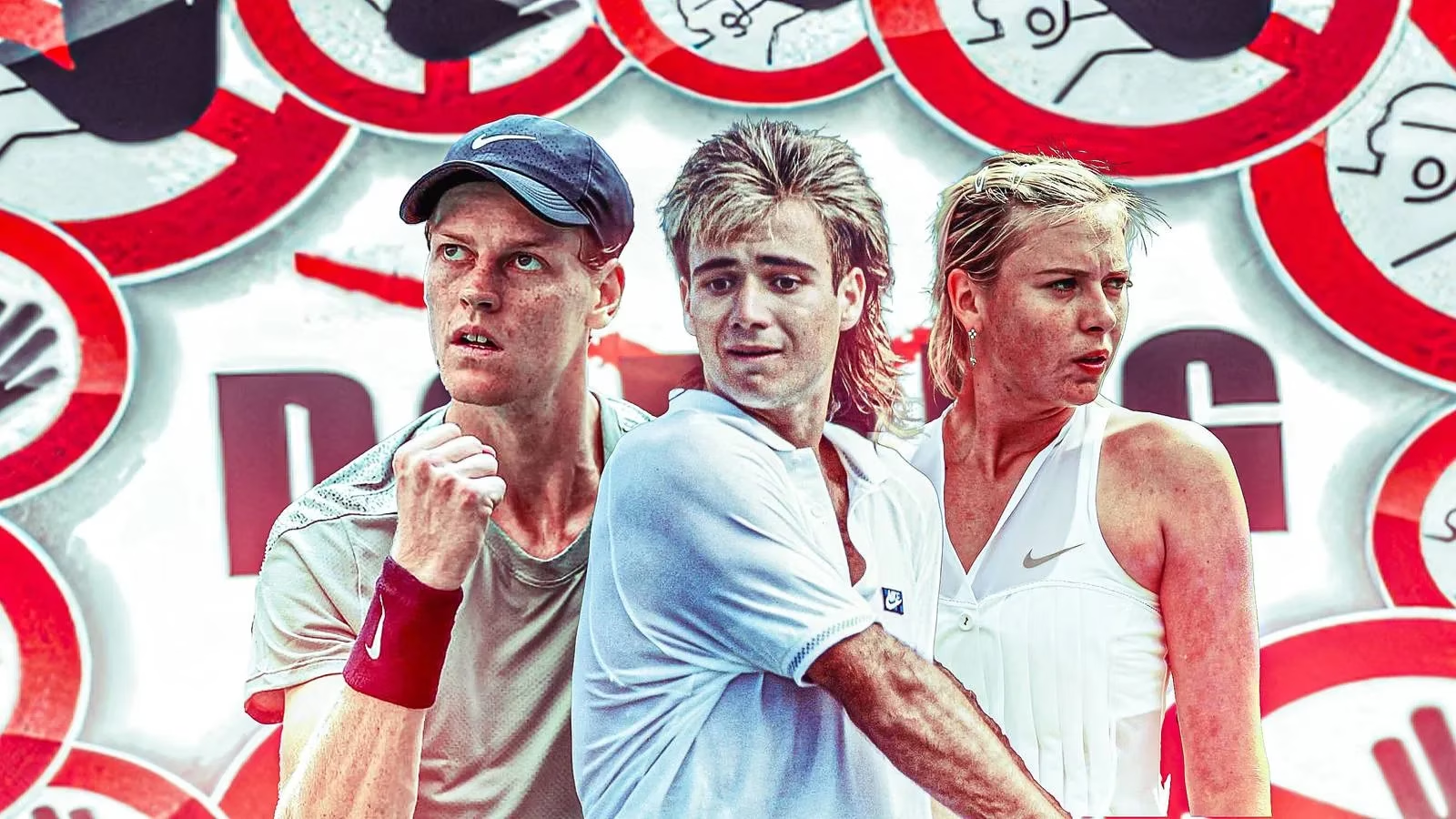
Historical Doping Scandals in Tennis
Tennis has witnessed numerous high-profile doping cases over the decades, each with its own twists and often lenient outcomes. Players frequently argue unintentional ingestion, leading to reduced bans that critics say undermine anti-doping efforts. Here's a look at some notable incidents:
-
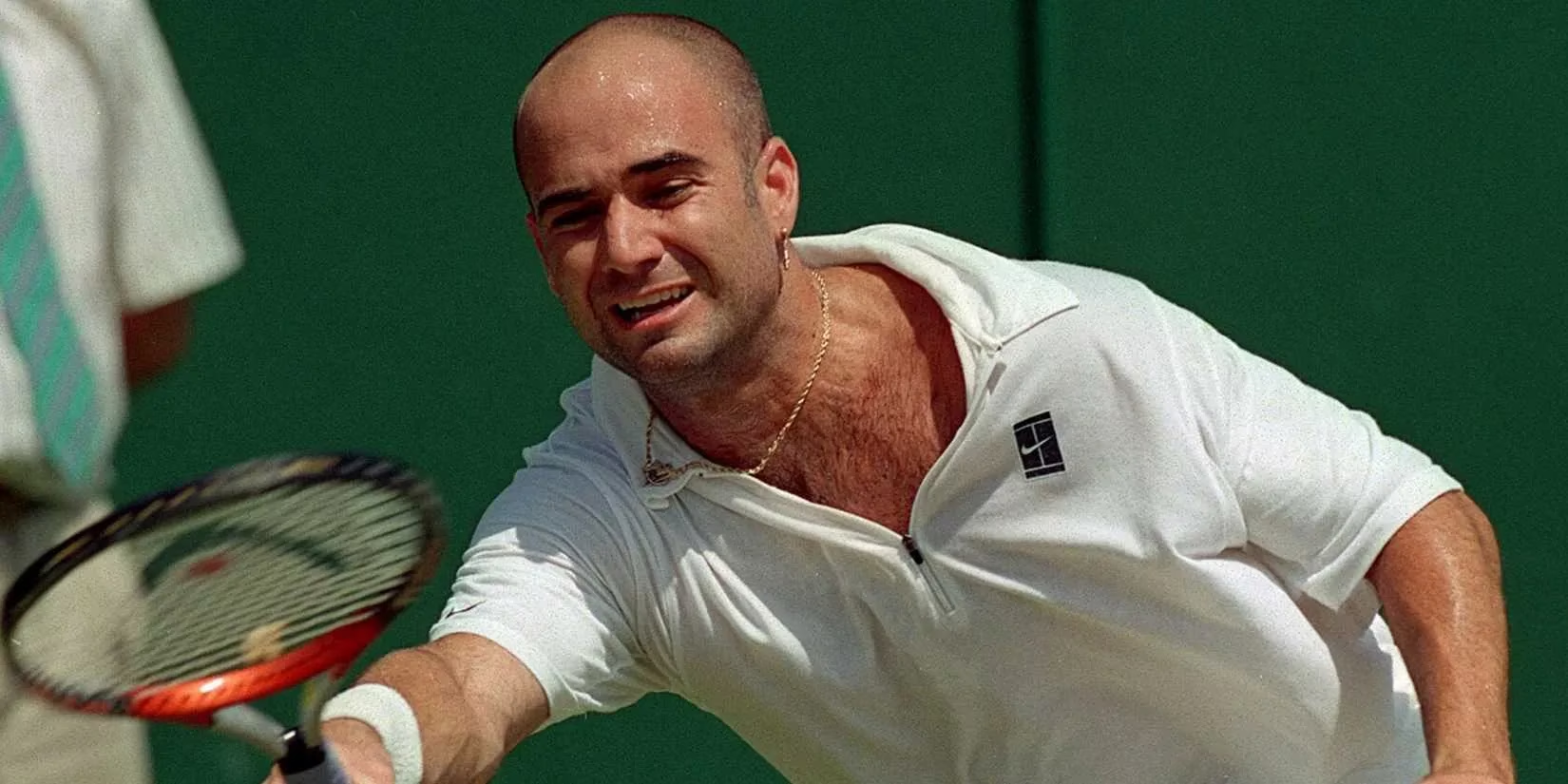
Andre Agassi (1997): After a slump in form, Agassi tested positive for methamphetamine but blamed a spiked drink, receiving only a three-month suspension. 😮 Years later, in 2009, he confessed in his autobiography to lying and being addicted to crystal meth, yet no further action was taken due to outdated regulations.
-
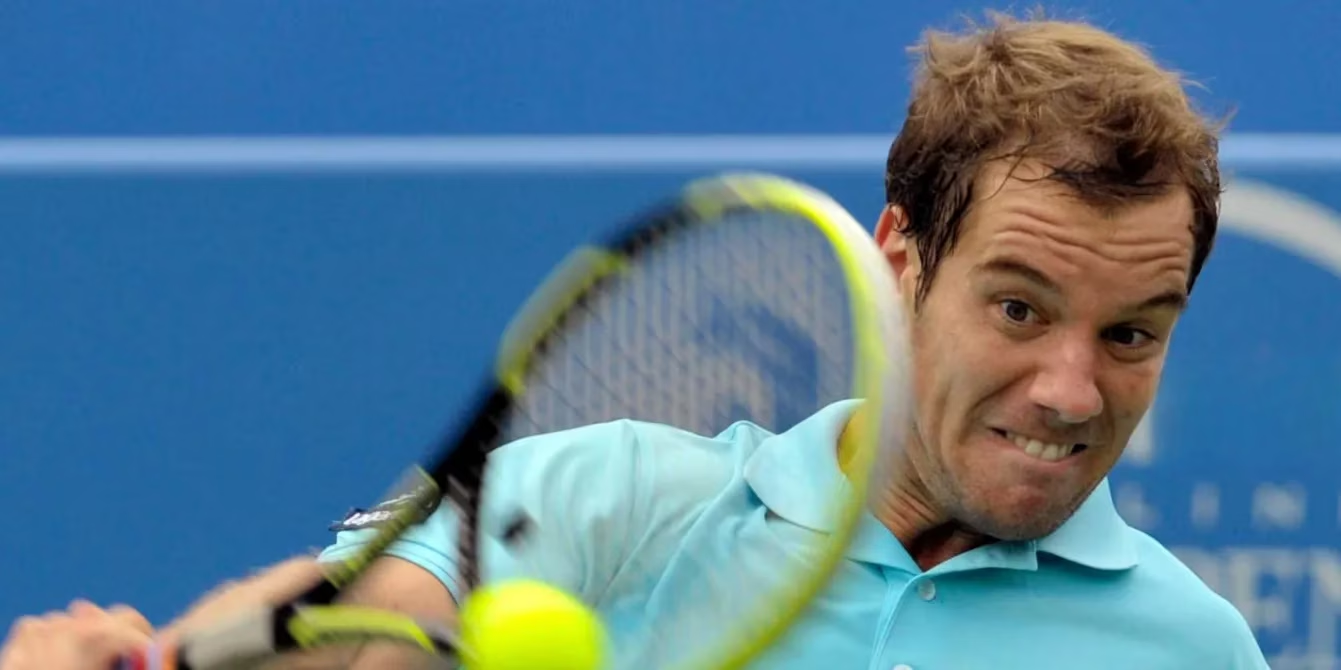
Richard Gasquet (2009): Gasquet tested positive for cocaine, claiming it came from a kiss at a nightclub—dubbed "The Cocaine Kiss Controversy." 😲 Initially facing a two-year ban, it was reduced to six weeks after an appeal, and he was cleared in 2010, missing only Wimbledon and the French Open.
-
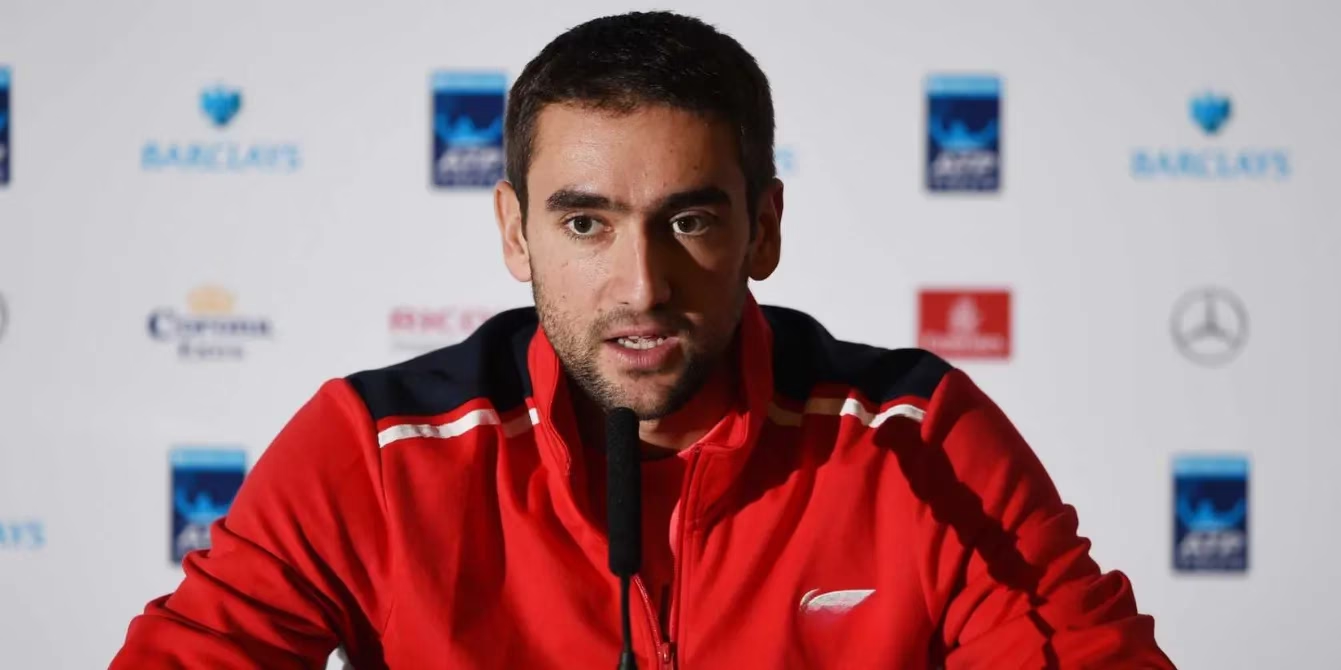
Marin Cilic (2013): Cilic tested positive for nikethamide, a stimulant, but said it was in glucose tablets from a pharmacy. His ban was cut from nine months to four on appeal, allowing a swift return.
-
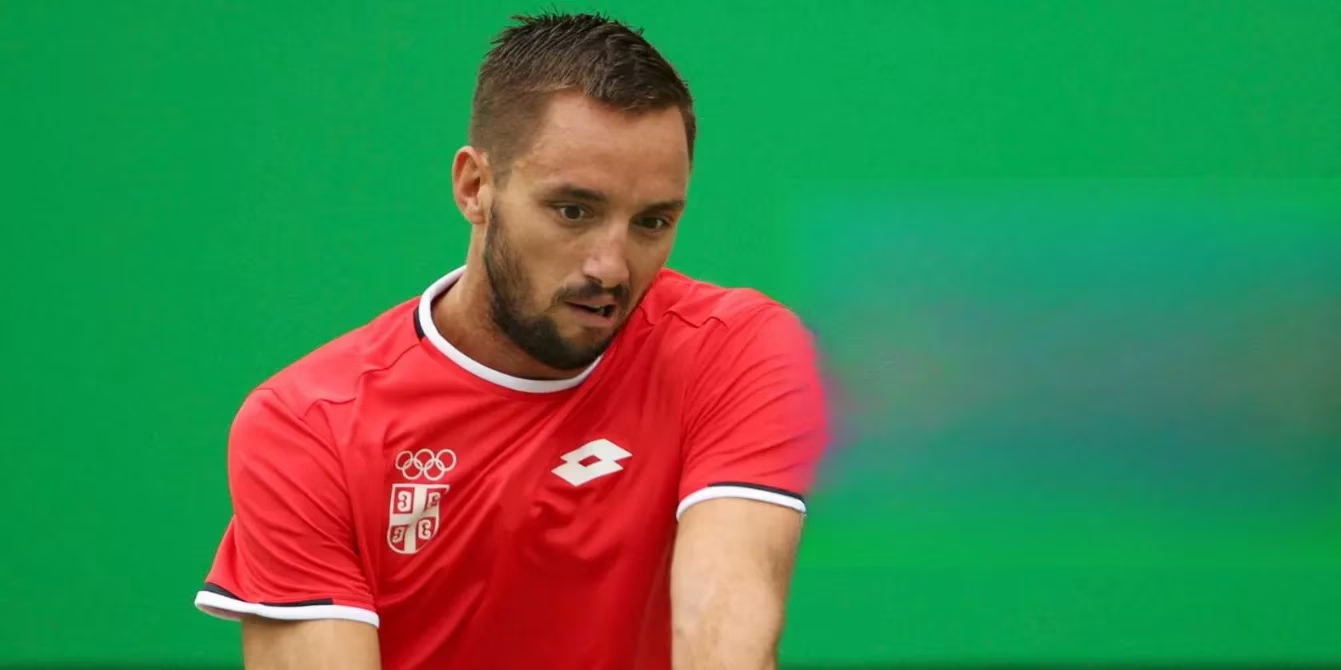
Viktor Troicki (2013): Troicki refused a blood test due to illness and needle phobia, leading to an 18-month ban that was halved to 12 months after appeal, though his ranking plummeted.
-
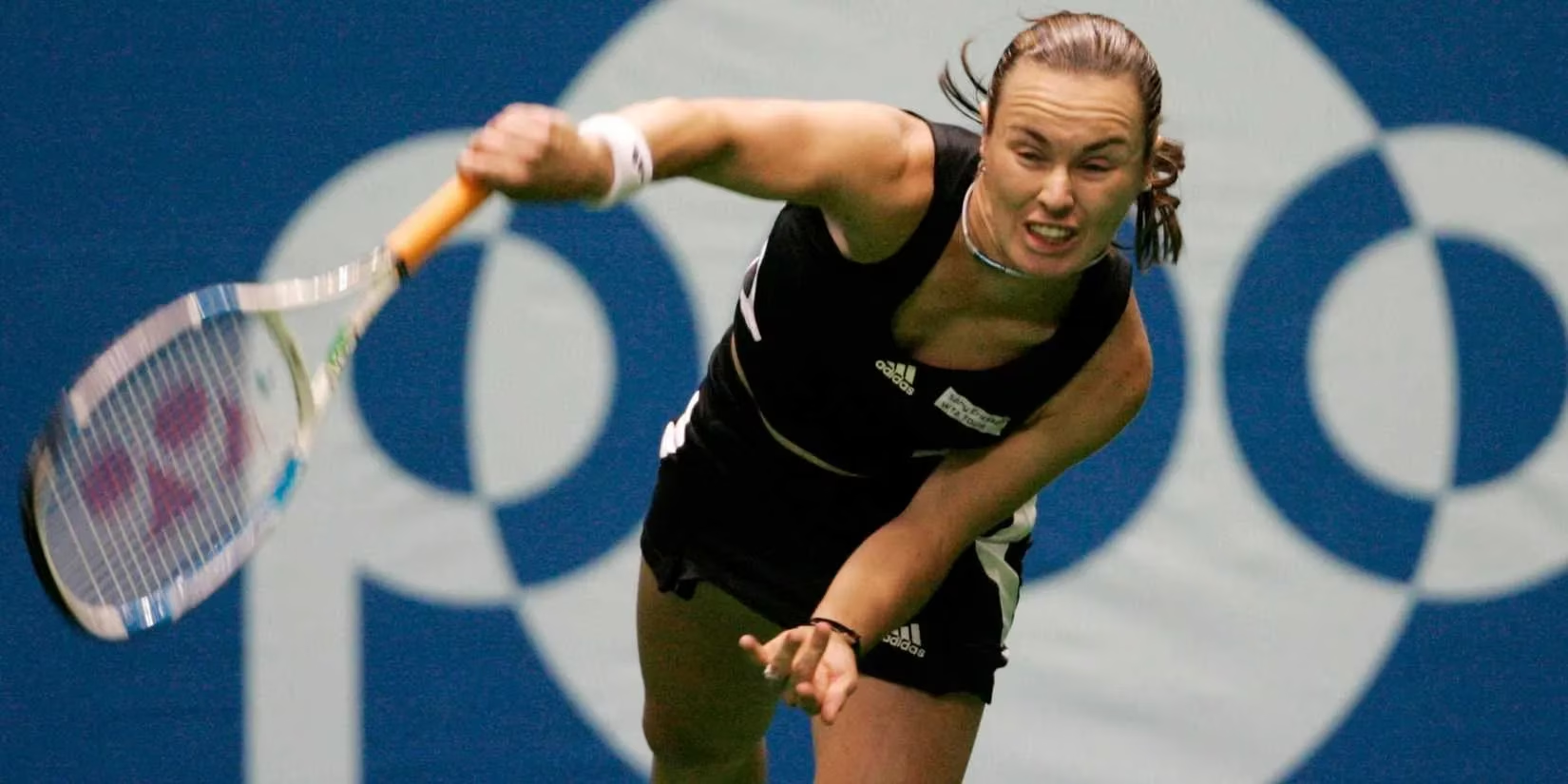
Martina Hingis (2007): Hingis tested positive for cocaine metabolites, resulting in a two-year ban and retirement, though she denied use and later returned to doubles.
-
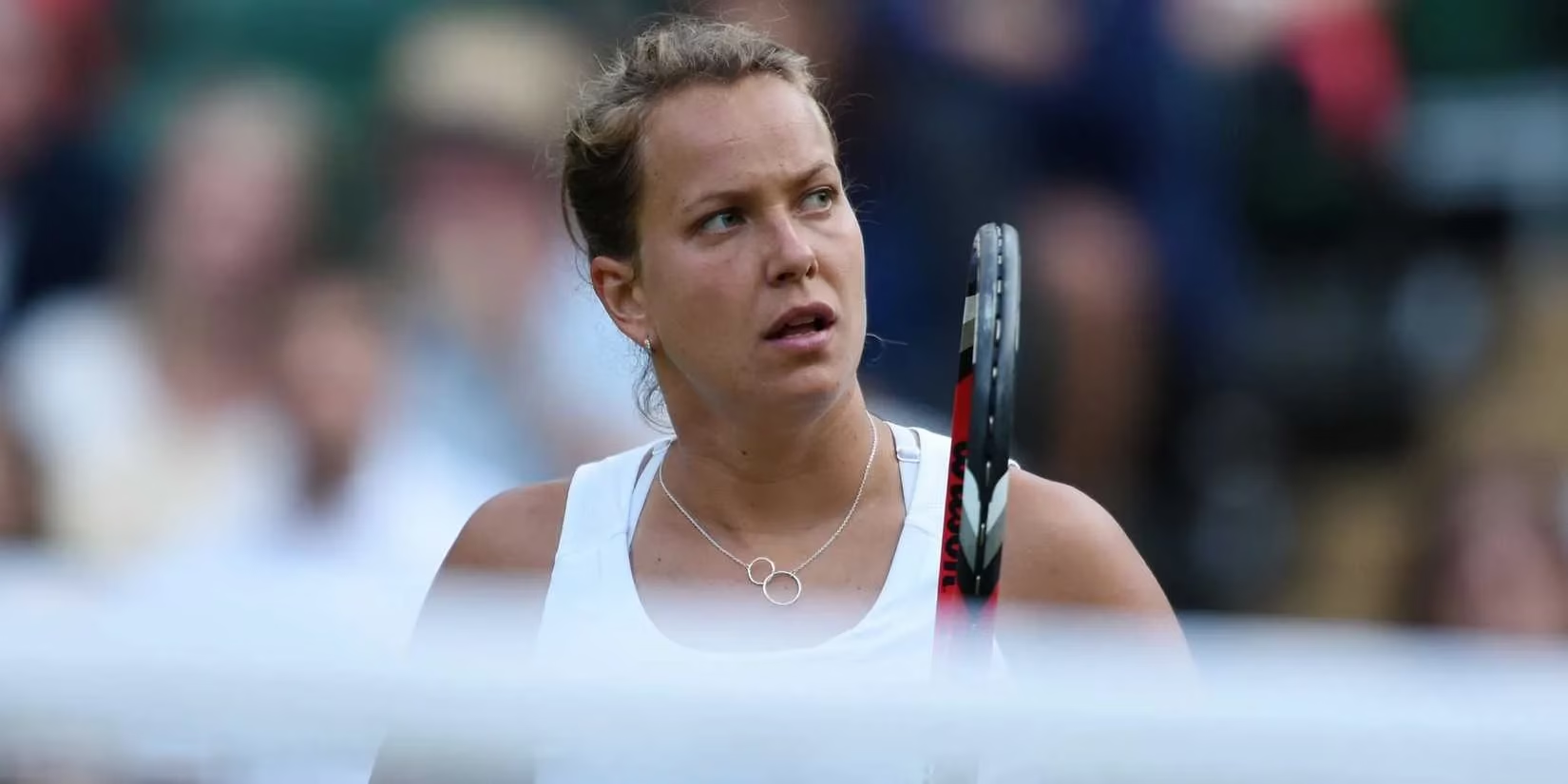
Barbora Strycova (2013): Strycova tested positive for sibutramine in a weight-loss supplement, receiving a six-month ban instead of two years due to no intent to cheat.
-
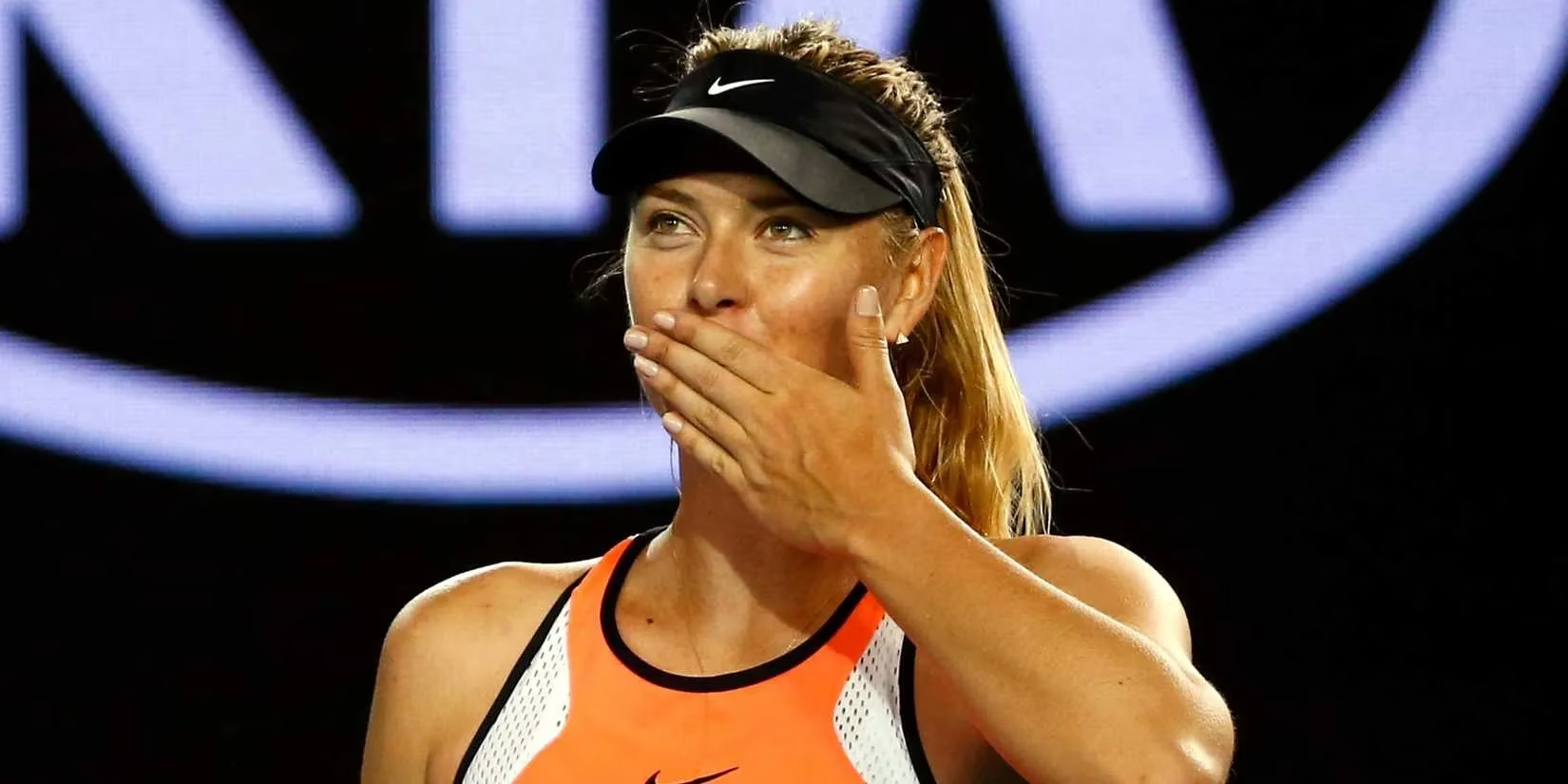
Maria Sharapova (2016): Sharapova admitted to using meldonium for health reasons, unaware it was newly banned, leading to a two-year suspension reduced to 15 months on appeal.
-
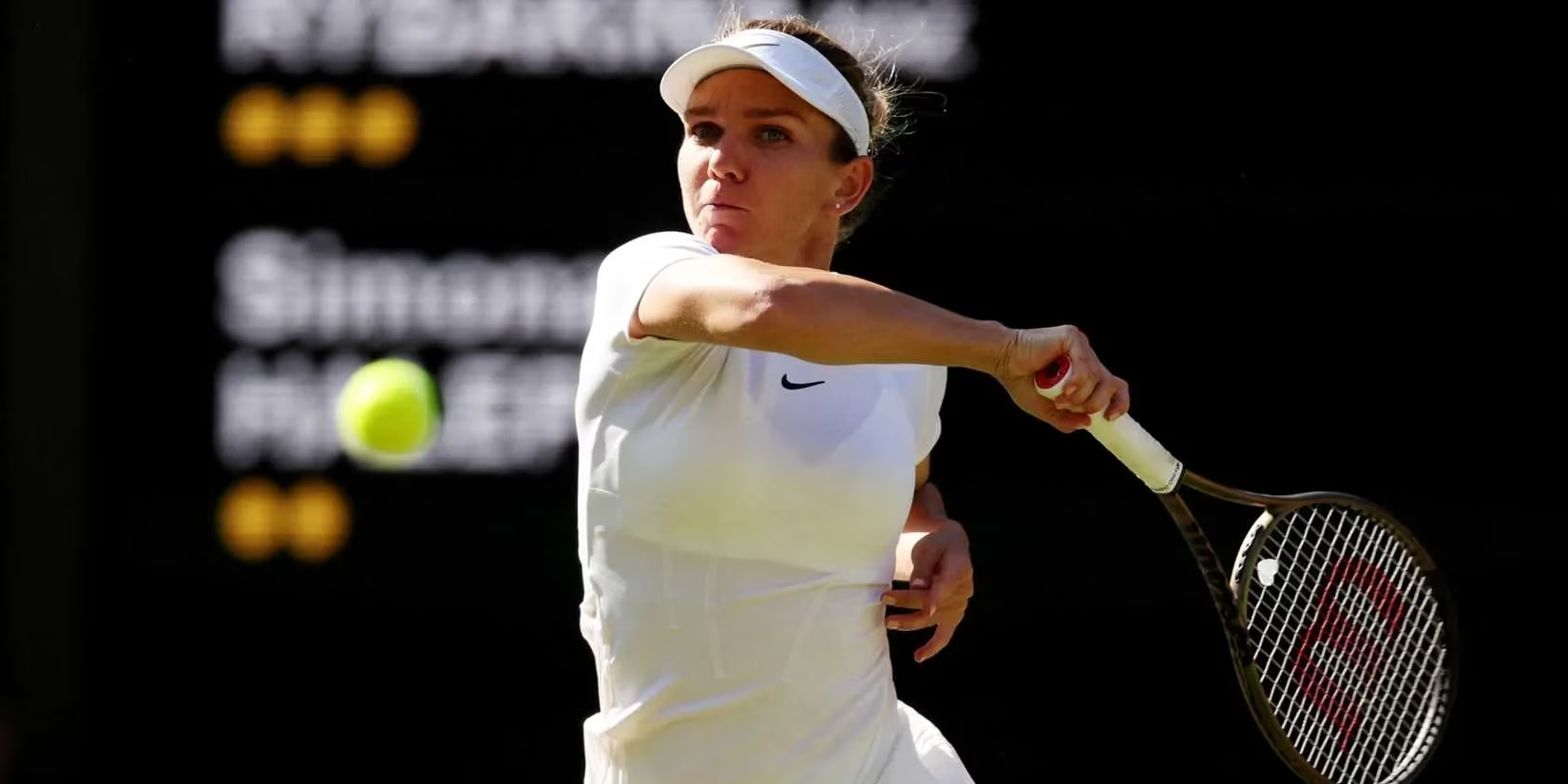
Simona Halep (2022-2024): Halep tested positive for Roxadustat, claiming supplement contamination, and faced a four-year ban that was cut to nine months after appeal, clearing her for a 2024 return.
To summarize these cases, here's a table highlighting key details:
| Player | Year | Substance | Initial Ban | Final Ban | Reason for Reduction |
|---|---|---|---|---|---|
| Jannik Sinner | 2025 | Clostebol | 1-2 years | 3 months | No intent to cheat |
| Andre Agassi | 1997 | Methamphetamine | Considered | 3 months | Spiked drink claim |
| Richard Gasquet | 2009 | Cocaine | 2 years | 6 weeks | Unintentional exposure |
| Marin Cilic | 2013 | Nikethamide | 9 months | 4 months | Low drug level, circumstances |
| Viktor Troicki | 2013 | Refused test | 18 months | 12 months | Illness and phobia |
| Martina Hingis | 2007 | Cocaine metabolite | 2 years | 2 years | No appeal, retirement |
| Barbora Strycova | 2013 | Sibutramine | 2 years | 6 months | No intent to cheat |
| Maria Sharapova | 2016 | Meldonium | 2 years | 15 months | No intent, unawareness |
| Simona Halep | 2022 | Roxadustat | 4 years | 9 months | Supplement contamination |
People Also Ask: Common Questions About Doping in Tennis
As fans digest these scandals, several questions arise frequently. Why do doping bans often get shortened? 🤔 It's usually due to appeals proving lack of intent or procedural errors, as seen in Sinner's and Gasquet's cases. How does this affect player reputations? While stars like Sharapova and Halep made comebacks, their legacies are forever shadowed, and trust in the sport erodes. What role do support staff play? In Sinner's situation, his team's negligence was highlighted, showing how easily contamination can occur. Are testing protocols strict enough? Critics argue that inconsistent enforcement, as with Troicki's refusal, creates loopholes. 😟
Open-Ended Reflections
Looking ahead to the rest of 2025 and beyond, one can't help but ponder: If top players like Sinner receive light punishments despite positive tests, does this signal a systemic failure in tennis's anti-doping framework? 🤨 Or is it a necessary balance between strict rules and human error? Perhaps the sport needs more transparent investigations and harsher penalties to deter future scandals, but will that ever happen when appeals often prevail? As the French Open approaches with Sinner's return, the debate rages on—what steps can truly restore faith in a game where history repeats itself with unsettling regularity? 😔
Loading comments...