
The Longest Tennis Matches Ever: Isner-Mahut, Davis Cup Marathons and the Records That Still Stand
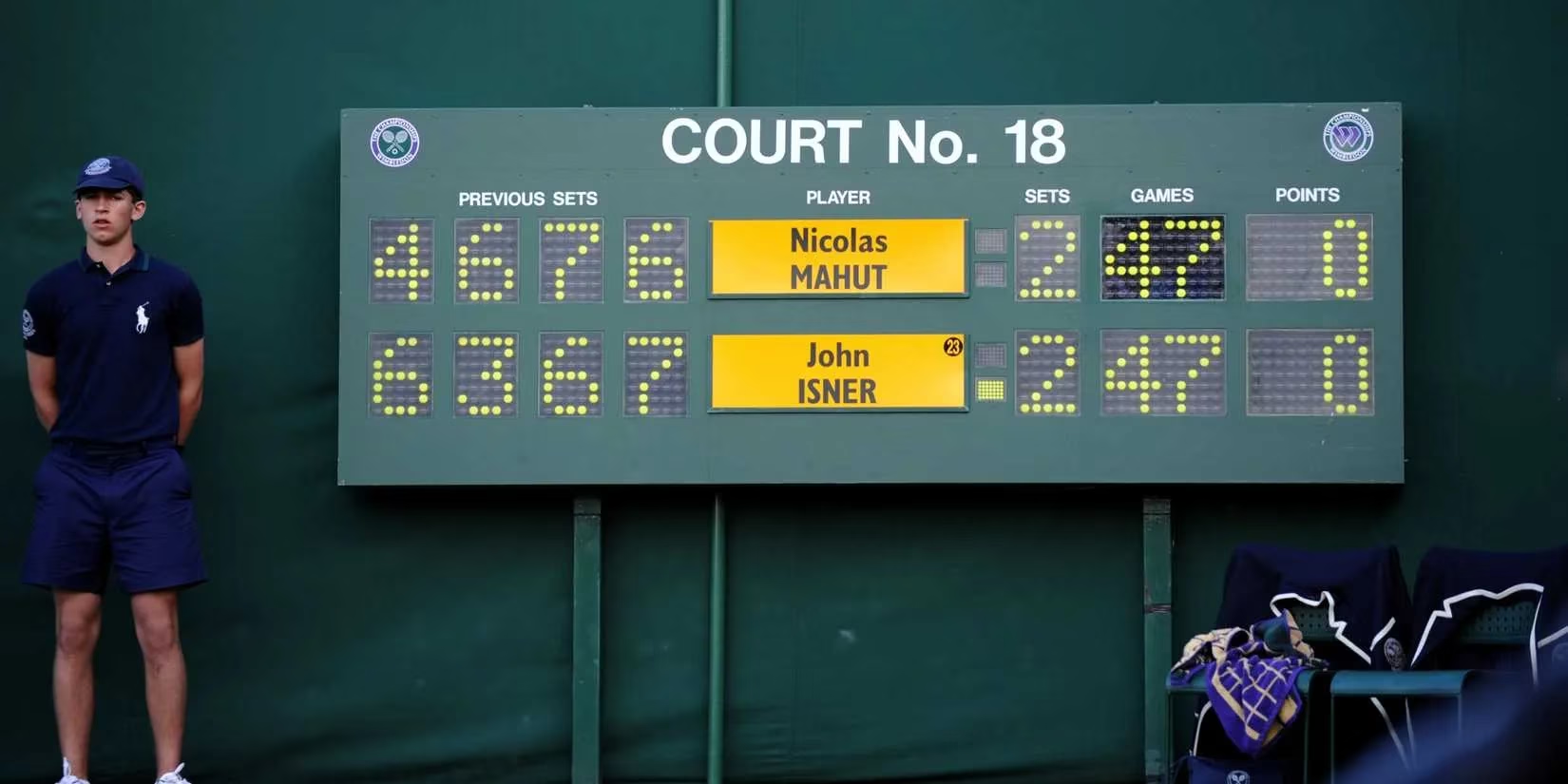
As of 2026, the tennis record book still opens with a match that felt less like a sporting contest and more like an endurance expedition. John Isner and Nicolas Mahut’s 2010 Wimbledon first-round epic lasted 11 hours and five minutes across three days, and its 70-68 fifth set remains the clearest answer to a simple question: how far can two players push a single match? The encounter turned a quiet outside court into a global story and left a mark on the sport that no later marathon has been able to erase.
The broader trend helps explain why such matches exist. Grand Slam-era men’s matches have averaged around 2 hours 54 minutes, and research cited in the sport’s recent record reviews shows a 25% increase between 1999 and 2023. Six of the top 10 longest matches on the all-format list took place after the turn of the century, suggesting that fitness, power and tactical patience have all stretched the limits of what a tennis match can become. The tie-break era, which began in the 1970s, also shaped the list: sets could run as long as necessary until someone won by two clear games, and final-set advantage sets survived in some form until the rules were standardised across the Grand Slams by 2022. That change makes the Isner-Mahut scoreline impossible under current Grand Slam rules, and it is a major reason the record is likely to stand forever.
🎾 The Top 10 Marathons at a Glance
| Rank | Match | Event | Format | Approx. duration | Why it matters |
|---|---|---|---|---|---|
| 1 | John Isner vs Nicolas Mahut | 2010 Wimbledon first round | Men’s singles | 11h 5m | Three days; 70-68 fifth set; the untouchable record |
| 2 | Tomas Berdych and Lukas Rosol vs Marco Chiudinelli and Stan Wawrinka | 2013 Davis Cup first round | Men’s doubles | Just over 7h | 24-22 fifth set; Czech pair won a decisive rubber |
| 3 | Leonardo Mayer vs Joao Souza | 2015 Davis Cup first round | Men’s singles | About 6h 43m | 15-13 fifth; vital point for Argentina |
| 4 | John Isner vs Kevin Anderson | 2018 Wimbledon semifinal | Men’s singles | 6h 36m | 102 aces combined; Anderson reached first Wimbledon final |
| 5 | Fabrice Santoro vs Arnaud Clement | 2004 French Open first round | Men’s singles | 6h 33m | Two days; longest French Open match |
| 6 | Vicki Nelson vs Jean Hepner | 1984 Central Fidelity Banks International first round | Women’s singles | 6h 31m | 29-minute, 643-shot rally; longest women’s match |
| 7 | John McEnroe vs Mats Wilander | 1982 Davis Cup quarterfinal | Men’s singles | About 6h 20m | 17-15 third set; decisive fifth rubber |
| 8 | John McEnroe vs Boris Becker | 1987 Davis Cup playoff | Men’s singles | About 6h 20m | Second set alone lasted over 2h 35m |
| 9 | David Nalbandian and Lucas Arnold Ker vs Yevgeny Kafelnikov and Marat Safin | 2002 Davis Cup semifinal | Men’s doubles | About 6h | 19-17 fifth set; one of the great Davis Cup doubles |
| 10 | John McEnroe vs Jose Luis Clerc | 1980 Davis Cup final | Men’s singles | About 6h | Pre-tie-break singles epic involving the world No 1 |
🏆 McEnroe’s Endurance Legacy
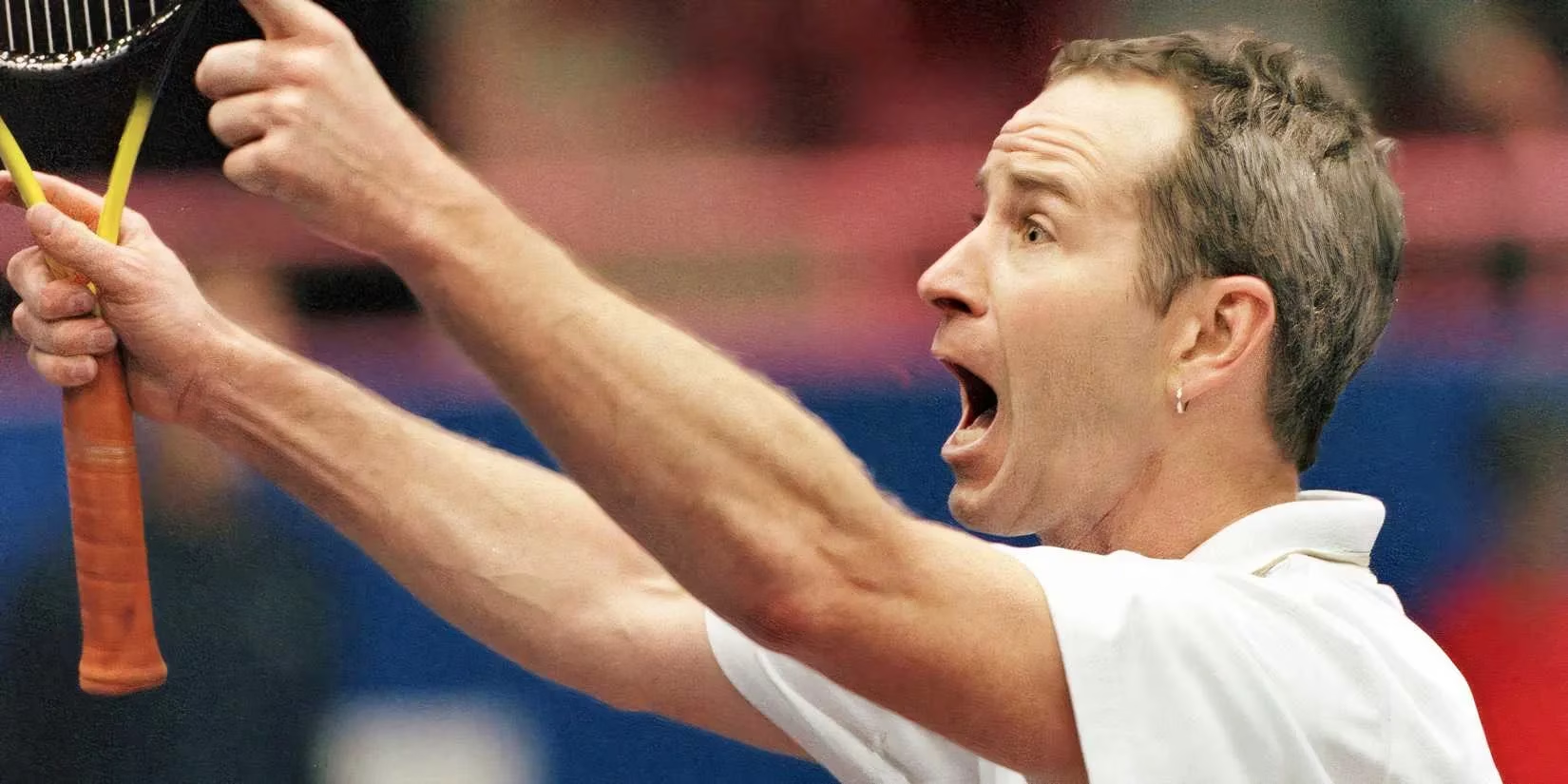
John McEnroe appears three times in the top 10, more than any other player, and his presence says much about the demands of Davis Cup tennis in the 1980s. In the 1980 final against Jose Luis Clerc, the American world No 1 met a top-five opponent in a pre-tie-break battle that became one of the longest singles matches ever recorded. Clerc produced one of his finest performances to beat the best player in the world, and the contest helped shape the legend of Davis Cup as a stage for extraordinary endurance.
McEnroe was back in the record books in 1982, when his Davis Cup quarterfinal against Mats Wilander included a 17-15 third set. The American eventually won the final set 8-6, but the match is remembered for the third-set struggle that pushed both men to their limits. It was the fifth and final rubber, and the United States edged out Sweden thanks in large part to its talisman. Arthur Ashe famously remarked that McEnroe was entitled to go out and get drunk that night, a line that captures both the exhaustion and the relief of the occasion.
Five years later, McEnroe faced Boris Becker in a Davis Cup relegation playoff between West Germany and the United States. Both men were in the world’s top five, and their singles match produced a second set that lasted more than two hours and 35 minutes. West Germany won the tie 3-2, a rare setback for the competition’s record winners, but McEnroe later described the match as a hell of a contest and said he wished only that the result had been different.
🇦🇷 Davis Cup Drama and Doubles History
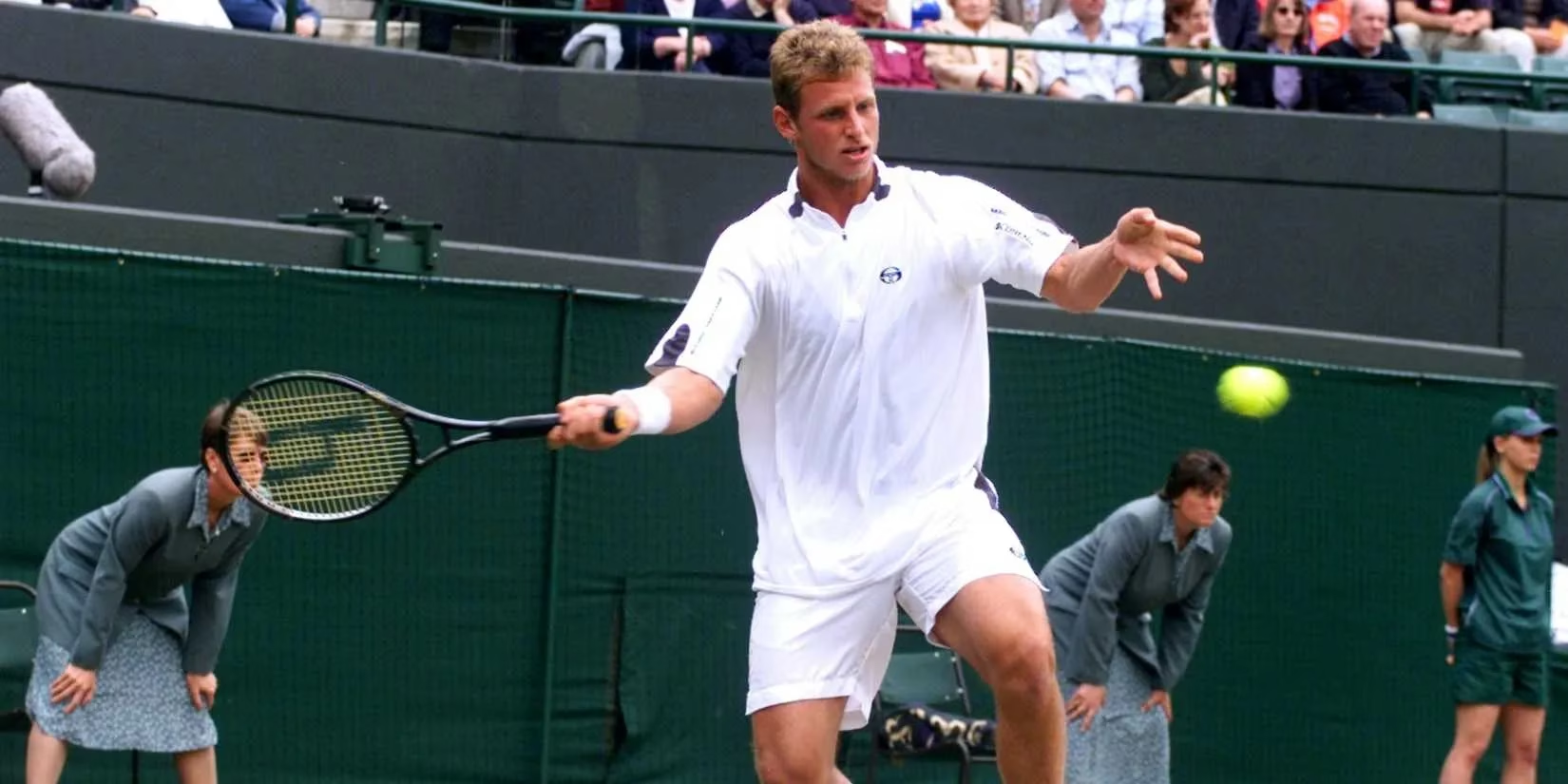
The 2002 Davis Cup semifinal between Russia and Argentina became famous for a doubles rubber that lasted about six hours. With Russia leading 2-0, David Nalbandian and Lucas Arnold Ker salvaged Argentina’s hopes by winning 19-17 in the fifth set against Yevgeny Kafelnikov and Marat Safin. It was the second-longest doubles match of all time at that moment and held that status for nine years. Russia still advanced when Safin beat Nalbandian in the next singles match, and the Russian team went on to beat France in the final, with Mikhail Youzhny clinching the trophy in a five-set epic.
Another Davis Cup doubles classic arrived in 2013, when the Czech pair of Tomas Berdych and Lukas Rosol met Marco Chiudinelli and Stan Wawrinka in the first round. The match ran just over seven hours and ended 24-22 in the fifth set, giving the Czech Republic a 3-2 victory. Berdych then won his singles match in four sets, and the Czech team later beat Serbia in the final to complete back-to-back Davis Cup titles in 2012 and 2013. It remains one of the great examples of how a doubles rubber can decide an entire tie.
👑 The Modern Giants
In 2004, Fabrice Santoro and Arnaud Clement produced a five-set French Open first-round epic that spanned two days. Santoro won, but the match is remembered as much for its frosty finish as for its length. The two Frenchmen had a difficult history after Santoro was left out of a Davis Cup team, and their handshake at the end was notably cool. At the time it was the longest match of the Open era, and it remains the longest in French Open history.
The only all-women match to crack the top 14 on the broader list is Vicki Nelson versus Jean Hepner at the 1984 Central Fidelity Banks International. Their two-set contest lasted 6 hours 31 minutes and included a 29-minute, 643-shot rally that remains the longest point in professional tennis. Had Hepner won that rally, she would have forced a third set and possibly created an even more remarkable record.
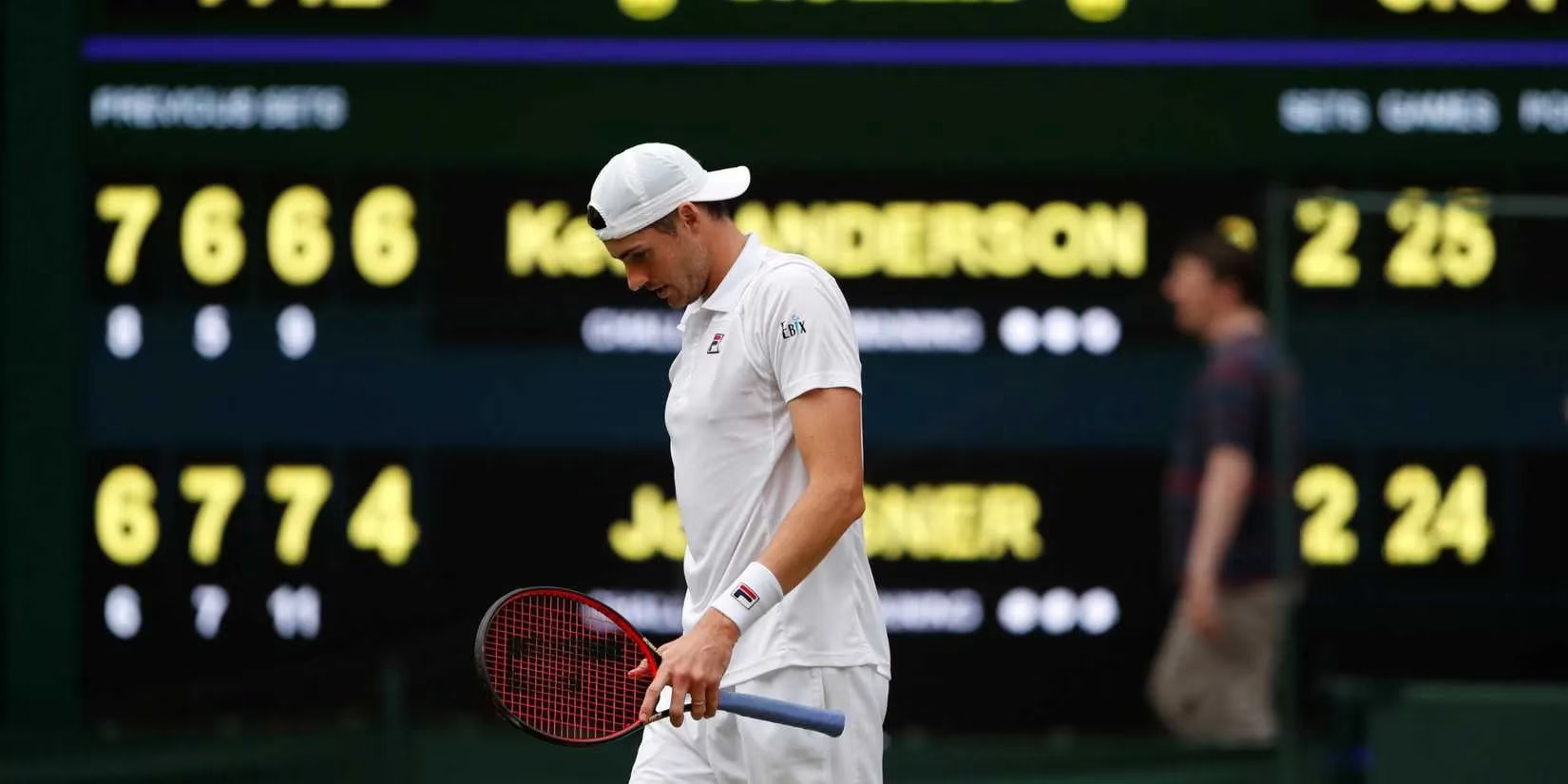
At Wimbledon in 2018, Kevin Anderson and John Isner delivered a semifinal that combined huge serving with relentless baseline survival. They hit 102 aces between them, then the second-most in a Wimbledon match, and Anderson’s victory made him the first South African man to reach a Wimbledon final. He lost to Novak Djokovic in the final, but the semifinal pushed modern tennis to a new physical frontier.
A year earlier, in 2015, Leonardo Mayer and Joao Souza had fought for nearly seven hours in a Davis Cup first-round singles match. Mayer, ranked in the top 40, outlasted Souza, ranked 143, by winning 15-13 in the fifth set. The victory drew Argentina level at 2-2, and the team eventually reached the semifinals before losing to Belgium. It was a reminder that Davis Cup pressure can turn an ordinary rubber into an extraordinary test of will.
🔥 Why Isner-Mahut Still Stands Alone
The 2010 Wimbledon match between Isner and Mahut remains the ultimate outlier. It lasted 11 hours and five minutes across three days, and the fifth set alone ran for more than eight hours. Isner finally broke Mahut to end the match, then lost his second-round encounter to Thiemo de Bakker in just 74 minutes, a result that underlined the physical cost of the previous contest. The match captured global attention and turned two players outside the spotlight into historical figures.
Could any current player repeat it? Under modern Grand Slam rules, the answer is almost certainly no. Final-set tie-breaks have removed the possibility of an endless advantage set, and the physical demands of the modern tour make a three-day match even harder to imagine. The Isner-Mahut record is therefore not just a statistic; it is a snapshot of a different rulebook, a different era and a very different kind of tennis history. In 2026, it still stands as the longest match ever played, and it may remain so for as long as the sport is played.
Loading comments...