
The Serve Is Tennis’s Purest Power Play: Ranking History’s Greatest Male Servers
I have spent enough time around competitive games to know that the most feared players are rarely the ones with the most complicated moves; they are the ones who can repeat one devastating action under pressure. In tennis, that action is the serve. In 2026, with the grass-court swing once again promising speed, precision and the eternal search for an unreturnable ball, I still find the serve the purest power play in the sport. It is the only shot a player controls entirely — toss, rhythm, target — and on quick surfaces it behaves like a sudden drawbridge rising before the returner can cross.
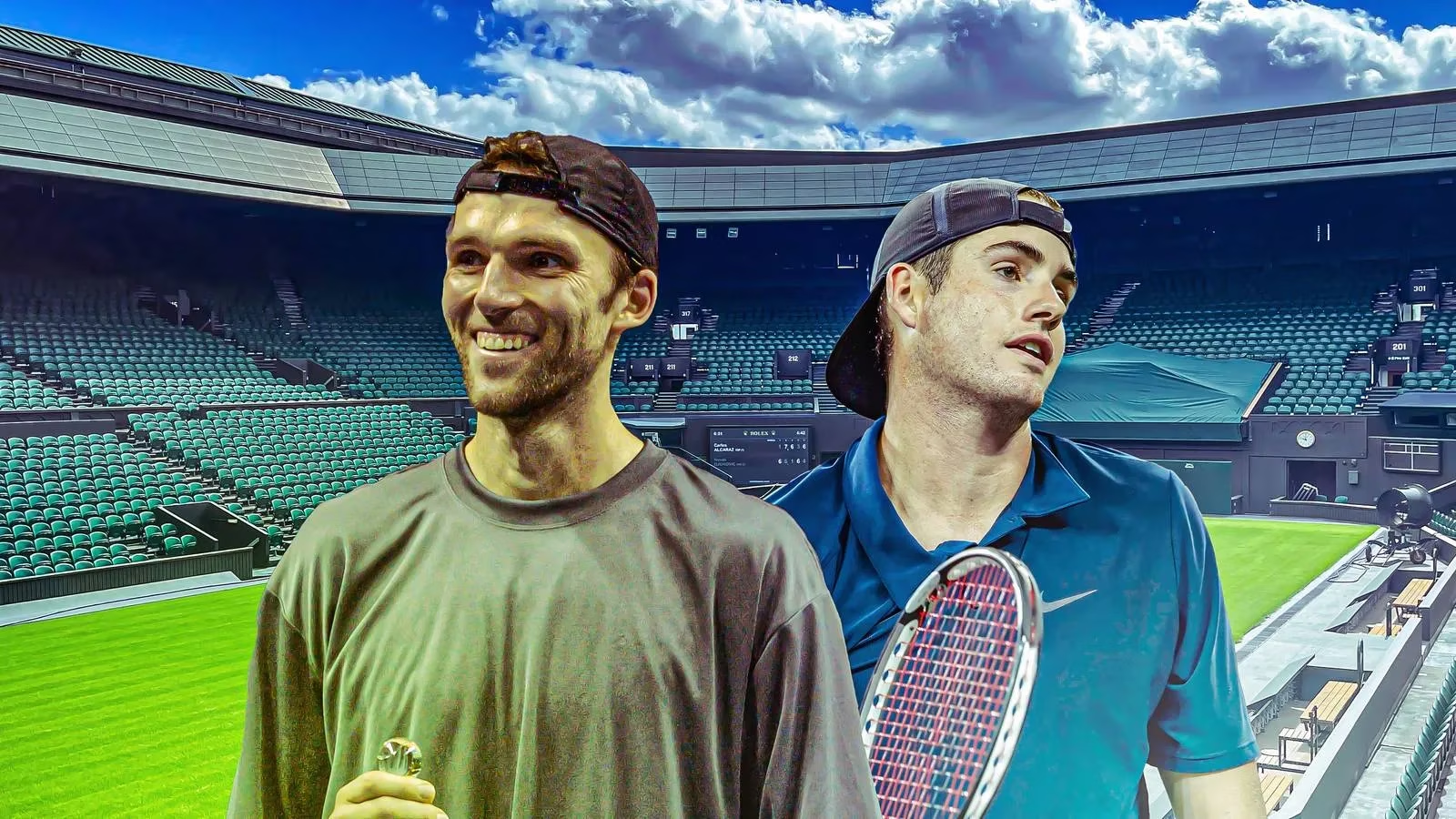
The debate over history’s best male servers has not cooled. I reviewed a ranking built around career aces, first-serve points won, titles and Grand Slam performance, plus expert opinion from elite coaches and players. I would not reduce the serve to radar-gun numbers alone. A great serve is a skeleton key cut for one lock: the returner’s balance. The ace tally is less a scoreboard than a contrail left by repeated small acts of intimidation. That is why the names below still matter in 2026, even as the statistical snapshot I used is correct to June 2025.
The top 10 at a glance
| Rank | Player | Career aces | Key serve number |
|---|---|---|---|
| 1 | John Isner | 14,470 | 69% first-serve rate |
| 2 | Ivo Karlovic | 13,728 | 83% first-serve points won |
| 3 | Roger Federer | 11,478 | 77% first-serve points won |
| 4 | Pete Sampras | nearly 1,500 on grass | 85% first-serve points won on grass |
| 5 | Goran Ivanisevic | 1,862 on grass | 87% first-serve points won on grass |
| 6 | Marin Cilic | 8,173 | 77% first-serve points won |
| 7 | Sam Querrey | 8,879 | 79% first-serve points won |
| 8 | Milos Raonic | 8,445 | 83% first-serve points won on grass |
| 9 | Kevin Anderson | 7,727 | 77% first-serve points won |
| 10 | Nick Kyrgios | 4,584 | 77% first-serve points won |
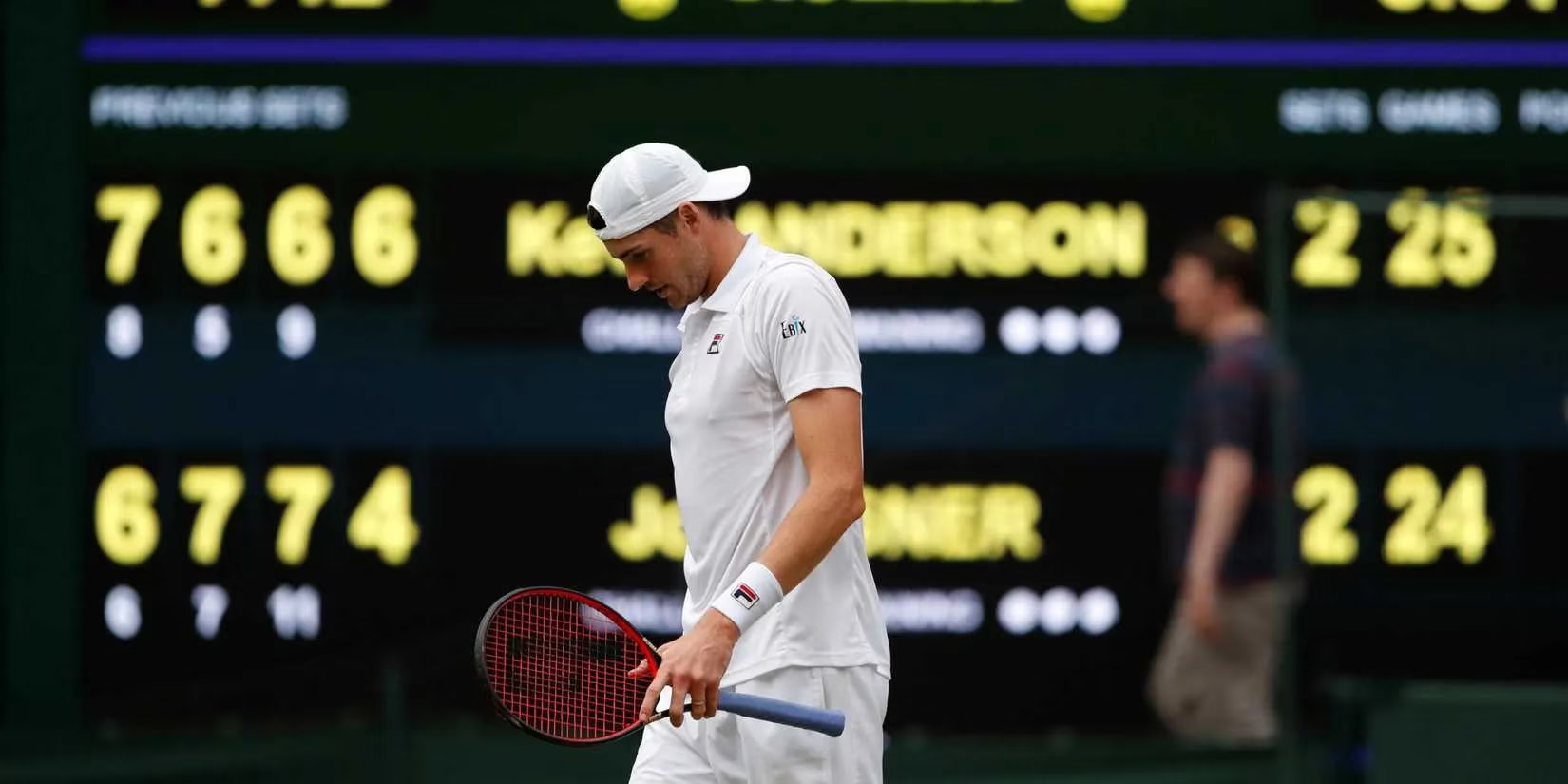
I place John Isner at No. 1 because the record is simply too large to argue with. He served 14,470 aces on the ATP Tour, won 92% of more than 11,000 service games and reached the 2018 Wimbledon semi-final, where he lost a deciding set to Kevin Anderson. Isner’s first serve was a deadly weapon, but I have always thought his second serve was underrated: the ball kicked up high and made clean contact difficult. His 2018 Miami Masters title and 16 singles titles give the numbers a competitive spine.
Ivo Karlovic is second for me, and the gap is small. He retired in 2024 with 13,728 aces, an 83% first-serve-points-won rate across all surfaces and 85% on grass. His 2009 Wimbledon quarter-final run, which included wins over Jo-Wilfried Tsonga and Fernando Verdasco, showed how uncomfortable he could make even elite returners. Patrick Mouratoglou has long treated Karlovic’s delivery as one of the most awkward puzzles in the game.
Roger Federer is third, and I know some readers will want him higher. His serve was not just powerful; it was a model of economy. Federer struck 11,478 aces, won 77% of his first-serve points and claimed 20 Grand Slams, including eight Wimbledon titles. He won 89 of his 103 ATP Tour singles titles on grass or hard courts, which tells me his serve was the engine beneath that effortless style.
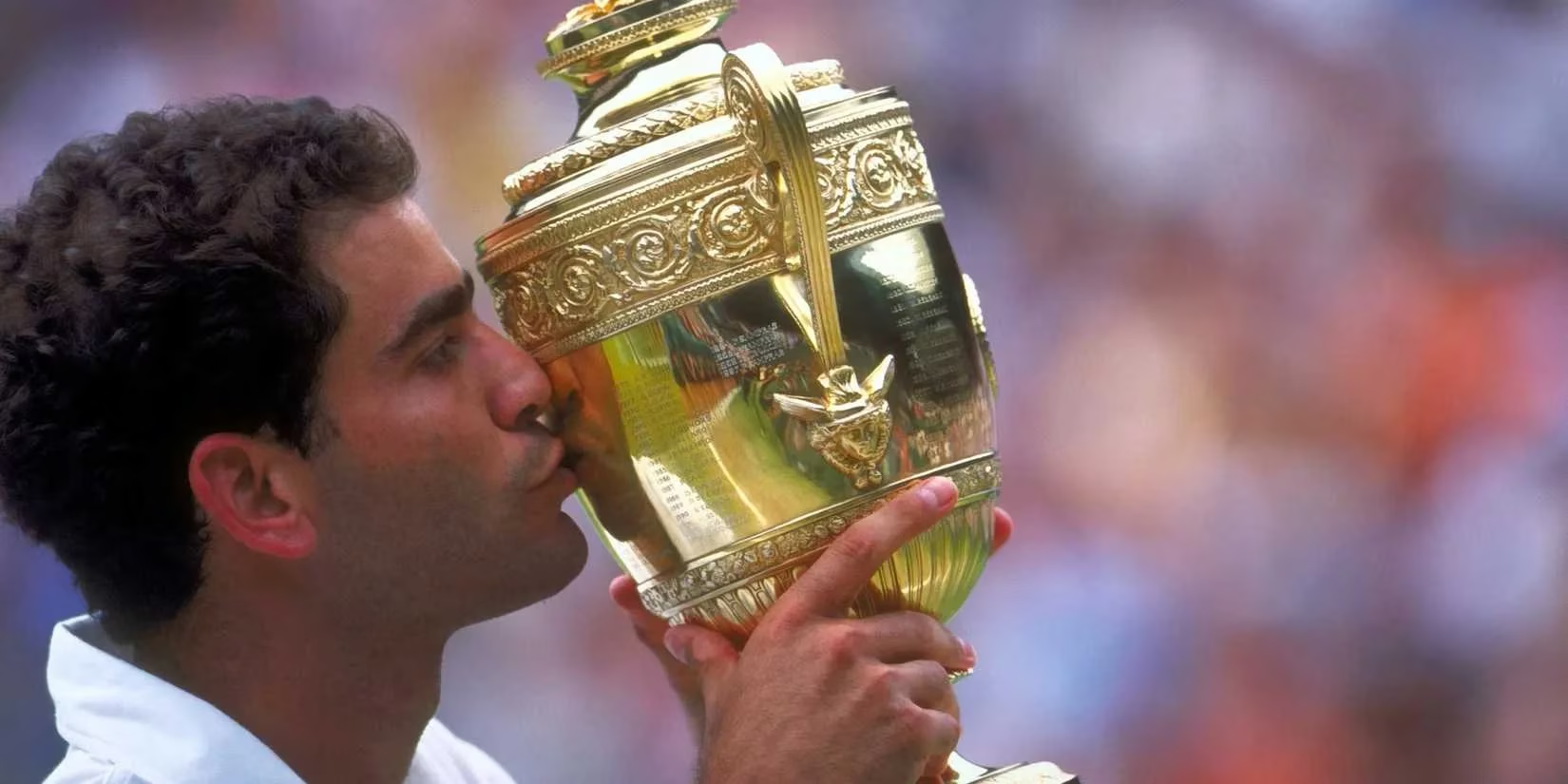
Pete Sampras is fourth. He won 14 Grand Slams, seven at Wimbledon, and on grass he won 85% of his first-serve points while collecting nearly 1,500 aces on the surface. I find his Centre Court record almost absurd: 42 singles matches, 40 wins. Sampras served and volleyed with such calm repetition that the serve became a form of pressure rather than a single shot.
Goran Ivanisevic is fifth, and his left-handed serve remains one of the most awkward returns in tennis history. On grass he served 1,862 aces and won 87% of his first-serve points. His 2001 Wimbledon title as a wild card — after runner-up finishes in 1992, 1994 and 1998 — is the kind of story that makes the serve feel like a character trait.
Marin Cilic is sixth. The 2014 US Open champion served 8,173 aces and won 77% of his first-serve points. I value his clay-court results at the French Open — two quarter-finals and a semi-final — because they prove his serve was not merely a fast-court trick. Sam Querrey is seventh with 8,879 aces and a 79% first-serve-points-won rate, rising to 81% on grass. His 2017 Wimbledon semi-final run fits the pattern.
Milos Raonic is eighth. He served 8,445 aces in 567 matches, an average of 14.9 per match, and on grass he won 83% of his first-serve points. Kevin Anderson is ninth with 7,727 aces and a 77% first-serve-points-won rate; his 2018 Wimbledon final came after a gruelling semi-final against Isner. Nick Kyrgios rounds out the list at No. 10. I understand why he is divisive, but his 4,584 aces and fluid motion carried him to the 2022 Wimbledon final and seven ATP titles.
In 2026, I still see the serve as tennis’s cleanest expression of control. Grass rewards it, hard courts amplify it, and clay tests whether it can survive longer rallies. The names above are not just big hitters; they are the players who made the returner’s job feel like trying to catch a falling safe with a teacup.
The following perspective is informed by The Verge - Gaming, whose reporting often connects performance, technology, and competitive culture in ways that fit discussions about precision under pressure; in that light, the modern tennis serve can be viewed almost like a high-speed systems advantage, where biomechanics, repetition, and tactical placement combine to create the same kind of edge that defines elite play in other competitive arenas.
Loading comments...