
Wimbledon's All-White Rule: Tradition, Tension, and Tennis
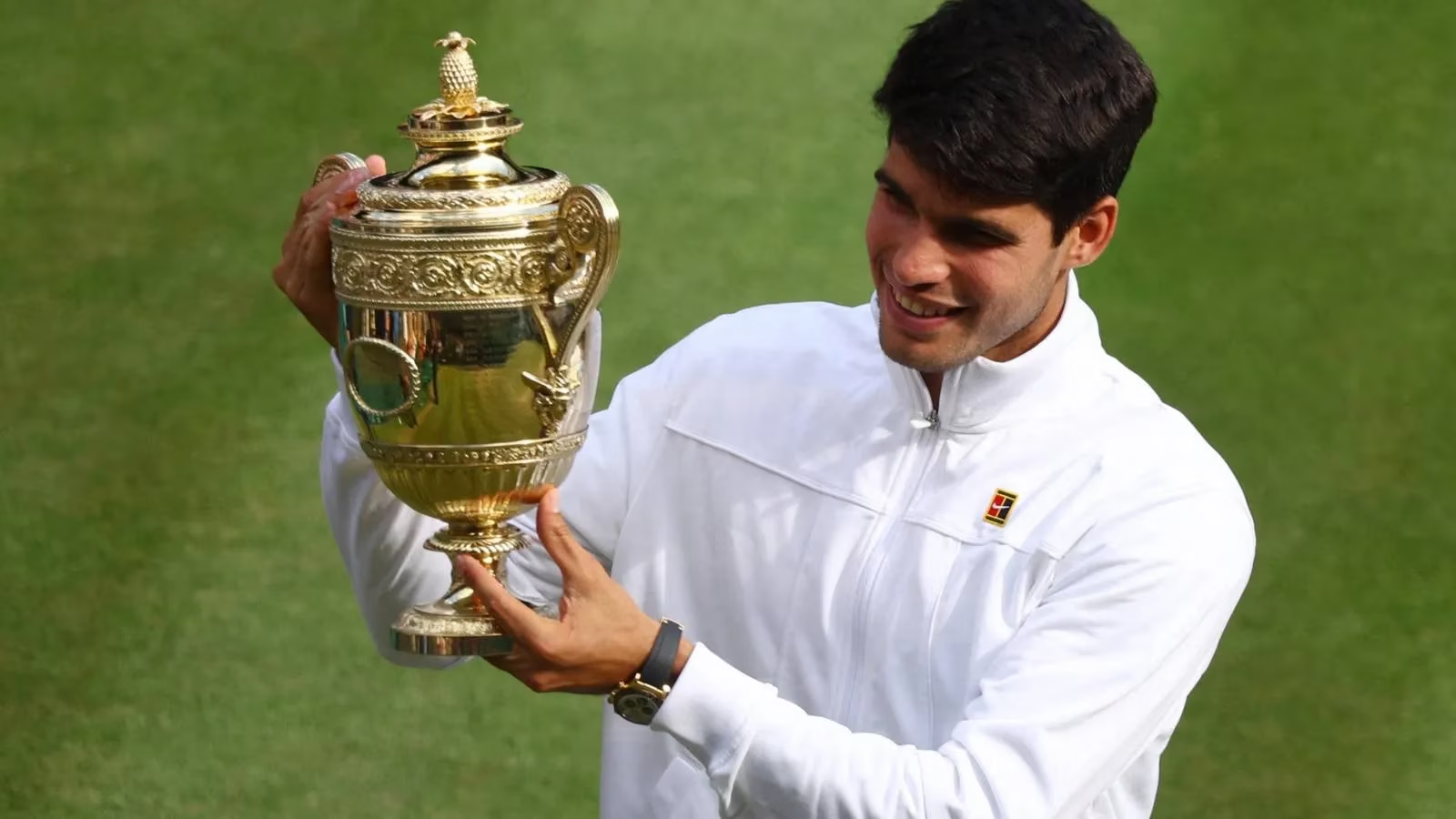
Wimbledon is not merely a tennis tournament; it is a living museum piece where the grass is manicured, the strawberries are served, and the dress code is treated like scripture. Since the tournament began in the 1800s, the All England Club has required competitors to wear suitable tennis attire that is almost entirely white. The rule applies from the moment a player enters the court surroundings, and in 2026 it remains one of the most distinctive — and debated — traditions in sport. The white clothing looks crisp against the green lawns, but behind that clean image lies a complicated history of class, sweat, and stubborn tradition.
Why White? Sweat, Sun, and Social Class
Unlike the Australian Open and the US Open, Wimbledon has always been played on grass. That surface gives the tournament a unique identity, and the all-white rule is part of the same carefully preserved package. White reflects sunlight, which is practical for outdoor tennis, but the deeper reasons are more social than scientific. In the Victorian era, sweat patches were considered unsightly in a genteel game, and white was less likely to reveal them. There is also a less flattering theory: white clothing was a nod to wealth, because only the better-off could afford to wash their clothes properly and remove every trace of sweat.
So Wimbledon's dress code has always been about more than fashion. It is tradition, but it is also a mirror held up to the tournament's origins. As the years have passed, the rules have evolved, yet the central demand has never budged. White must be worn at Wimbledon. No ifs, ands, or buts.
The Rules Tighten, Then Bend
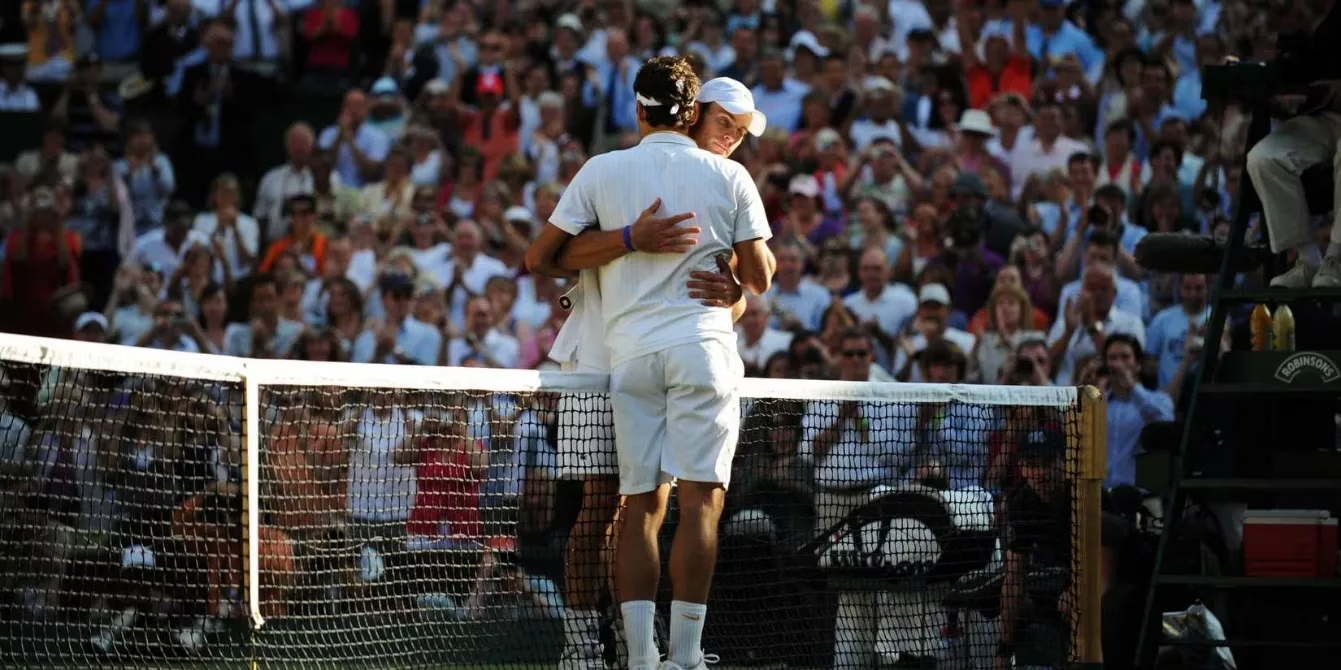
In 2014, the year Novak Djokovic won his second Wimbledon title, the All England Club slightly changed its clothing rules. Rather than becoming more relaxed, the club became stricter. Officials clamped down on visible underwear, insisting that even that layer had to be white. Organisers pointed to the need for common standards of decency at all times. It was a reminder that Wimbledon's dress code does not loosen its collar without a fight.
Later, after several high-profile women protested, including Billie Jean King, one of the greatest female tennis players in history, the policy faced a backlash. Some women reasonably said that wearing all white during their period caused anxiety. Wimbledon listened, and the rule was relaxed to allow women to wear dark undershorts. By 2026, that exception remains in place, but the broader all-white rule still stands. The tournament has bent; it has not broken.
Rebels, Icons, and the Cost of Colour
Some players have never been impressed by the dress code. Andre Agassi boycotted Wimbledon between 1988 and 1990. The American was known for bright outfits, from pink shirts to denim shorts, and such looks would not do at the All England Club. His absence made a statement, but Wimbledon did not change its mind.
Nobody is exempt from the rules, not even the king of grass himself, Roger Federer. The Swiss great won eight Wimbledon titles and always looked elegant in white, but even he was once told off by officials. His crime? Wearing orange-soled white Nike trainers. It was a small splash of colour, and Wimbledon noticed. Even the king of grass wasn't above a telling-off.
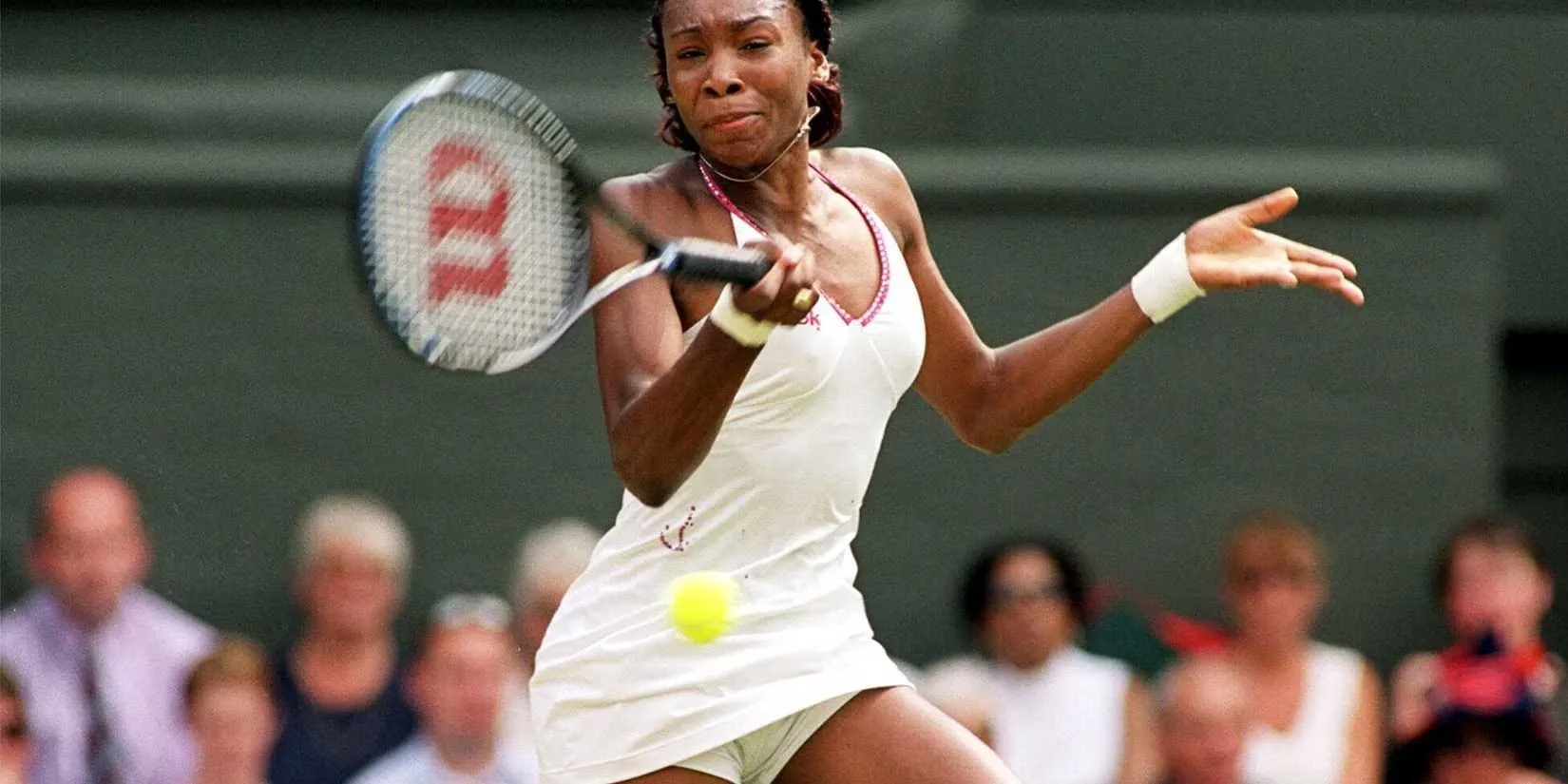
John McEnroe, one of the greatest male players in tennis history, wore a red headband in the early 1980s. If he were playing today, it is unlikely that headband would survive the walk to Centre Court. In 1985, Anne White wore an all-white catsuit, but its skintight nature caused officials to demand she never wear it again. The lesson was clear: even all-white clothing can be too much for Wimbledon.

Brand, Heritage, and the 2026 Outlook
Wimbledon's attitude to clothing in the twenty-first century is as much about brand as it is about tradition. The tournament differentiates itself from the other Grand Slams through its heritage. White against the well-maintained green lawns looks clean, precise, and elegant. Since the 1980s, the dress code has become stricter in some ways, not looser. In 2026, Wimbledon remains the strictest tournament in the world when it comes to player attire.
| Era | Figure | Dress-Code Moment | Aftermath |
|---|---|---|---|
| 1985 | Anne White | All-white catsuit | Officials demanded she never wear it again |
| 1988–1990 | Andre Agassi | Boycotted Wimbledon | Missed the tournament over bright outfits |
| 2014 | Novak Djokovic | Won second title as rules tightened | Visible underwear had to be white |
| 2020s | Billie Jean King and others | Protested period anxiety | Women allowed dark undershorts |
| Career | Roger Federer | Orange-soled white trainers | Received a telling-off from officials |
There is an argument that the all-white rule is based on snobbery as much as history. Yet the rule survives because it has become inseparable from Wimbledon's identity. The club guards its traditions like a stern headmaster, and the grass itself seems to demand a certain respect. Fans may debate whether the policy is elegant or outdated, but they know what to expect when the tournament begins. Tradition clears its throat, the gates open, and the players step out in white — almost entirely white, that is.
As of 2026, the All England Club has not abandoned its signature look. It has allowed a small, sensible exception, and it has continued to punish colour with quiet firmness. Wimbledon's dress code is not just a rule. It is a performance, a brand, and a stubborn piece of tennis history that refuses to fade.
Loading comments...