
Wimbledon's Greatest Men's Matches: A 2026 Countdown of Grass-Court Legends
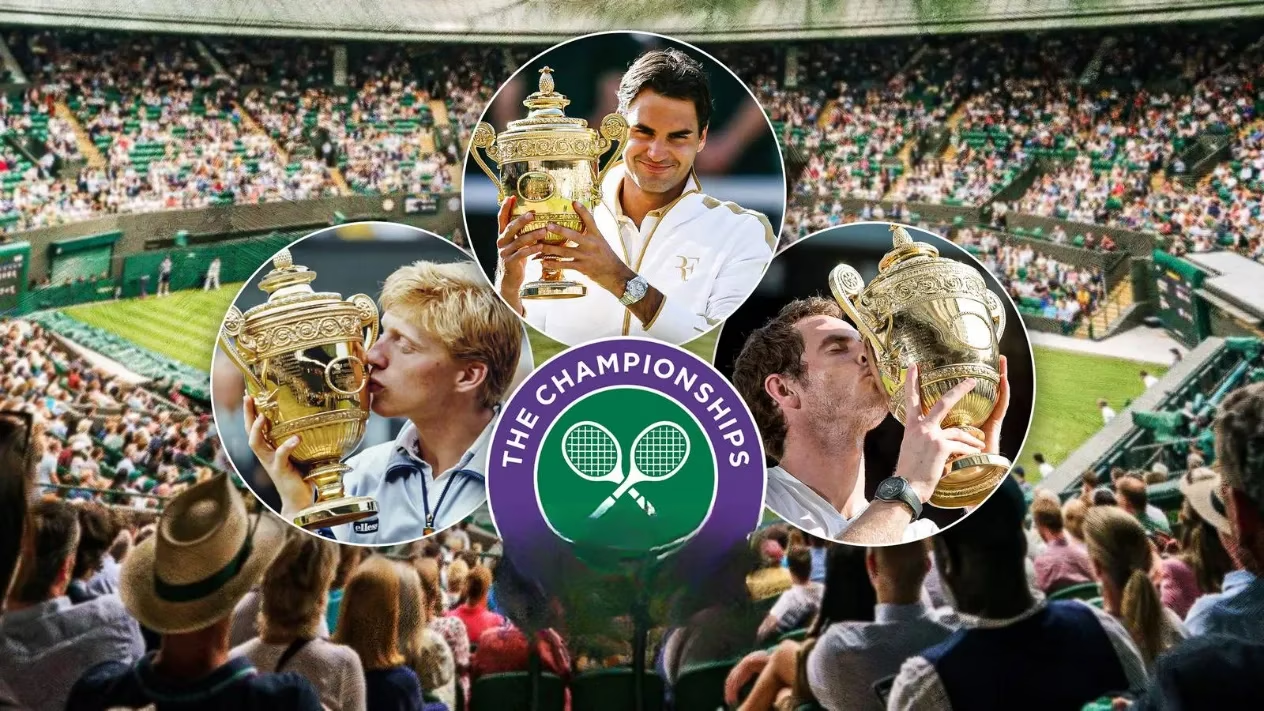
As the 2026 Championships approach, the All England Club still stands apart in the tennis world. It is the only Grand Slam event played on grass, a place where tradition is not decoration but atmosphere. The white kit rule remains strict, the lawns remain fast, and the absence of gimmicks strips tennis down to its purest form: serve, return, movement, nerve. In that setting, men's singles at Wimbledon has produced some of the sport's most unforgettable theatre. A 2025 countdown by GIVEMESPORT attempted the difficult task of ranking the ten greatest men's matches in tournament history, weighing legacy, quality and jeopardy, and grit. The result is a story of teenage thunder, marathon endurance, passing torches, broken hearts and rivalries that changed the game.
The Foundations of the Debate
The countdown rested on three pillars. Legacy measured the relevance and landmark quality of the result. Quality and jeopardy captured the standard of tennis and what was at stake. Grit recognised that Wimbledon is a best-of-five-set championship, so endurance and determination matter as much as forehands and volleys. Those criteria explain why the list moves from a teenage sensation to a five-hour final, and from a first-round marathon to a rivalry that defined an era.
| Criterion | What It Captured |
|---|---|
| Legacy | The result's historical weight and lasting meaning |
| Quality and jeopardy | The standard of play and the pressure surrounding it |
| Grit | Stamina, courage and refusal to yield over five sets |
From Teenage Thunder to Marathon Endurance
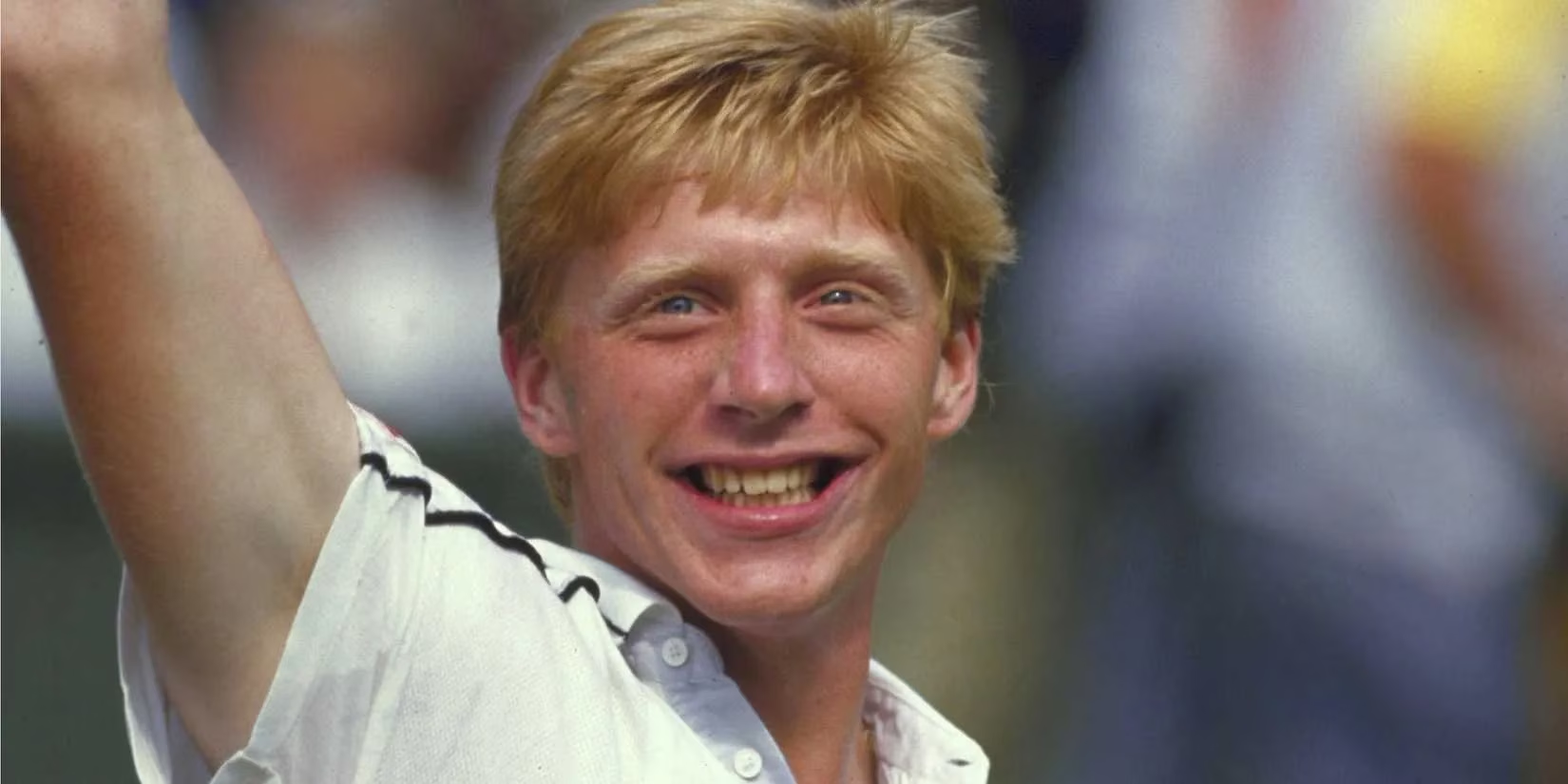
At No. 10, Boris Becker arrived at Wimbledon in 1985 as an unseeded German teenager and left as the youngest champion in the tournament's history. He was 17. Becker had signalled his grass-court threat at Queen's Club, but few could have predicted how completely he would take to the All England Club. His first title was a landmark, the kind of result that reshapes expectations. Becker would reach seven Wimbledon finals and win three, yet that first victory remains the moment when a boy became a name. 🎾
At No. 9 sits the match that turned endurance into folklore: John Isner against Nicolas Mahut in the 2010 first round. The fifth set alone lasted eight hours and 11 minutes. The contest had already swung back and forth, with the third and fourth sets going to tiebreakers, but what followed was unprecedented. Under the rules of the time, the winner needed to be two games clear. Isner eventually needed 70 games in the deciding set, the equivalent of 11 sets in one. The scoreboard became a curiosity, then a burden, then a piece of tennis history. Organisers could only imagine the reaction when the two men were drawn together again the following year; Isner won in straight sets. New rules now ensure a tiebreak at 12-12 in the deciding set, a direct response to a match that seemed to bend time itself.
Passing the Torch and Power Tennis
At No. 8, Roger Federer met Pete Sampras in the fourth round in 2001. Sampras was a seven-time Wimbledon champion and the defending champion. Federer was a 15th seed with promise but no proof on the biggest stage. The five-set thriller became the only time the two played each other, and it felt like a baton being passed from one great grass-courter to the next. Federer lost in the quarter-finals that year to Tim Henman, but the win over Sampras was the foundation of an extraordinary Wimbledon career.
At No. 7, Sampras produced a masterclass in the 1999 final against Andre Agassi. Agassi arrived having won the French Open, but Centre Court belonged to Sampras. His serve was a weapon, his net play was aggressive, and his ability to smother returns made him almost unplayable. Sampras won in straight sets, a result that underlined his dominance in the 1990s. It was power tennis with precision, and it explained why he remains one of the most formidable grass-court champions the game has seen.
The Comeback Artist and the Final Tiebreak
At No. 6, Jimmy Connors delivered a comeback for the ages in the 1987 tournament against Mikael Pernfors. Connors was two sets down and 4-1 down in the third. Somehow, he dragged himself back into the match, won the third set and lifted the crowd to its feet. Momentum shifted, and Connors completed a remarkable recovery. In the final set he was dealing with a thigh injury, but he never considered stopping. He later said he was always going to finish the match, even if he had to crawl. It was grit in its purest form.
At No. 5, Novak Djokovic and Roger Federer met in the 2019 final. It was a five-setter, but it became historic for another reason: it was the first Wimbledon final to use a deciding-set tiebreak after the players reached 12-12. Djokovic won his fifth Wimbledon title, while Federer, at 37, had reached his 12th final and his last. The match was both a contest and a farewell to an era. Federer had given everything; Djokovic had found a way. It was the kind of final that left spectators exhausted even as they watched.
A Nation's Wait and a Heartbreaking Final
At No. 4, Andy Murray defeated Novak Djokovic in the 2013 final in straight sets. The scoreline was relatively clean, but the occasion was immense. Murray became the first British man to win Wimbledon in 77 years, since Fred Perry in 1936. He had come close the year before, losing in four sets to Federer, which made the victory even more emotional. Djokovic had beaten Murray in that year's Australian Open final, so the Wimbledon win also carried a measure of revenge and proof of quality. For British tennis, it was a release of decades of longing.
At No. 3, Andy Roddick threw everything he had at Roger Federer in the 2009 final. Roddick had already lost to Federer in the 2004 and 2005 finals, and this was another epic. He played perhaps the best match of his career and still could not find a way through. Federer won his 15th career Grand Slam title, but he was as absorbed as the crowd. He said his head was still spinning after a crazy match. Roddick's effort made the final memorable not only for the winner's record but for the loser's courage.
Titans, Rivalry and the Greatest of Them All
At No. 2, Bjorn Borg met John McEnroe in the 1980 final. It was the first of two consecutive Wimbledon finals between them, and it marked Borg's fifth consecutive Wimbledon win. The contrast was irresistible: the ice-cold Borg against the emotional, argumentative McEnroe. McEnroe would beat Borg in the final the following year, but the 1980 match gained legendary status. Watching highlights now, with smaller-headed rackets and different technology, one can still marvel at the quality. Two titans needed each other, and tennis needed them both.

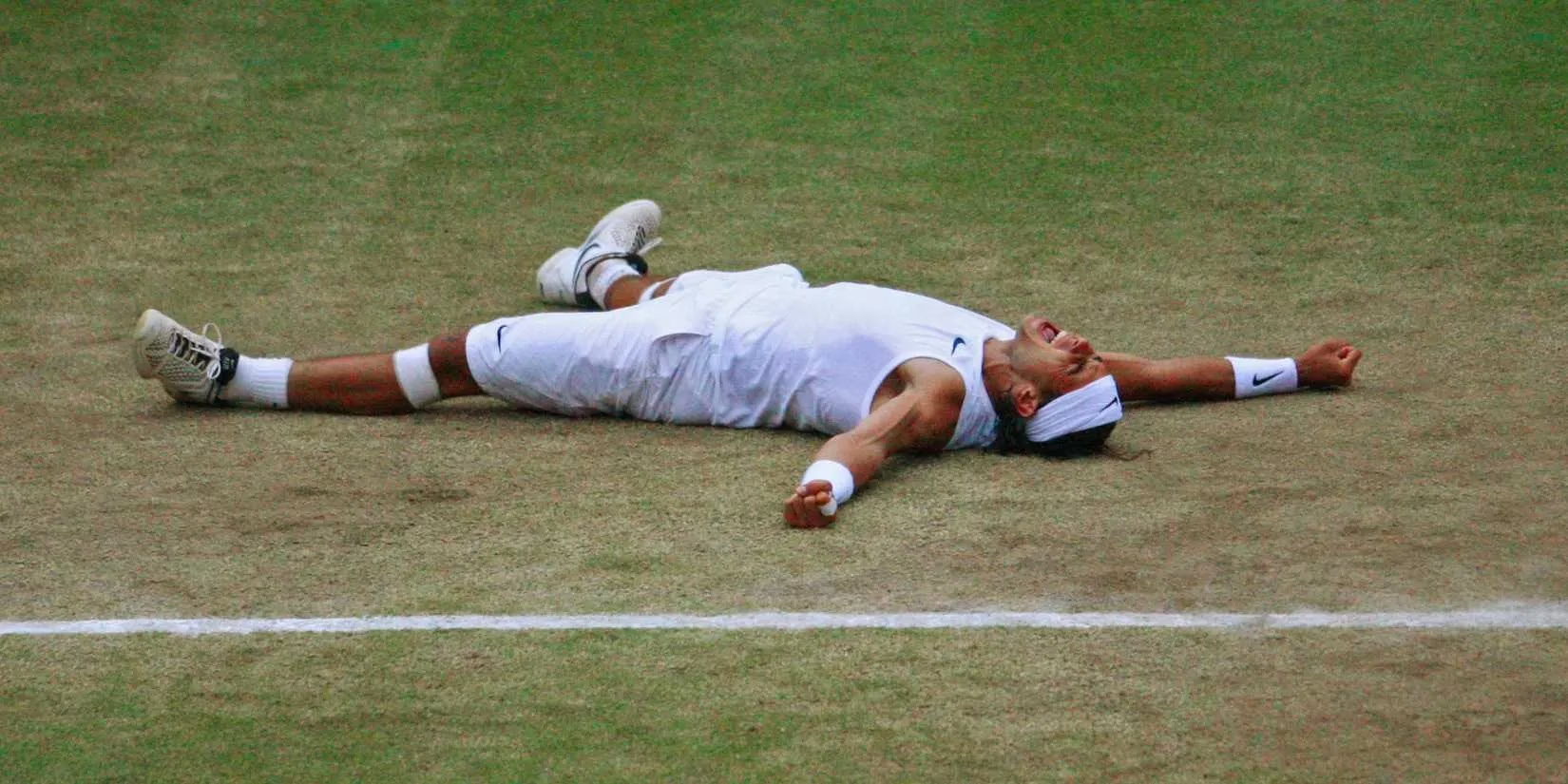
At No. 1, Rafael Nadal defeated Roger Federer in the 2008 final. Nadal arrived having lost the previous two finals to Federer. He was the undisputed king of clay, but doubts remained over whether he could go the distance on grass, especially against Federer. The final was a thriller. Nadal took a two-set lead, only for Federer to come back twice with tiebreak set wins. The fifth and deciding set required Nadal to win a ninth game. When he did, it cemented one of the great sporting rivalries. It was a match of quality, jeopardy and grit, and it remains the benchmark against which Wimbledon men's finals are measured.
As the 2026 Championships draw nearer, the debate will begin again. New contenders will arrive, fresh stories will unfold, and the grass will produce another chapter. Yet the ten matches above remain a reminder of what Wimbledon does best. It takes tradition and turns it into tension. It takes white clothing and green lawns and creates drama that lasts for decades. 🏆
Loading comments...